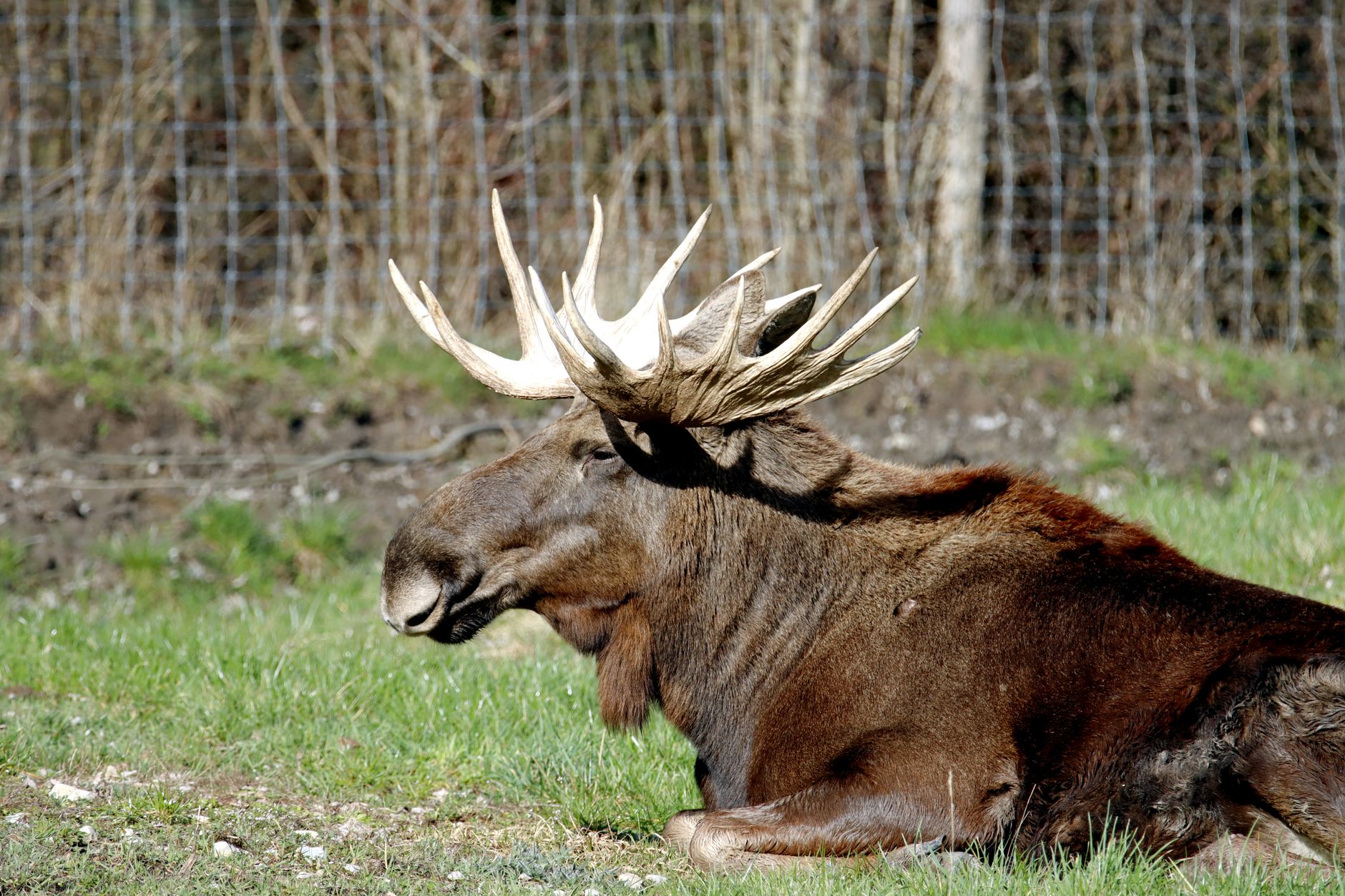
The state of Kentucky, in the United States, implemented one of the most significant wildlife restoration programs in the eastern United States. Between 1997 and 2002, environmental authorities relocated 1,541 elk from six Western states, including Arizona, Kansas, and Oregon, to the Cumberland Plateau region. Nearly three decades later, the population reached 13,000 individuals, forming the largest elk herd east of the Rocky Mountains.
The eastern elk became extinct in the 19th century due to overhunting and habitat loss, remaining absent from Kentucky for a century. The radical change began when the state's Department of Fish and Wildlife identified that reclaimed former open-pit coal mines offered unique conditions for the species' return.
Large-scale mining devastated the mountain ridges, but federal law required revegetation of the land with resilient grasses. This reclamation process ended up creating ideal open pastures for elk, allowing the program to thrive where environmental devastation once reigned.