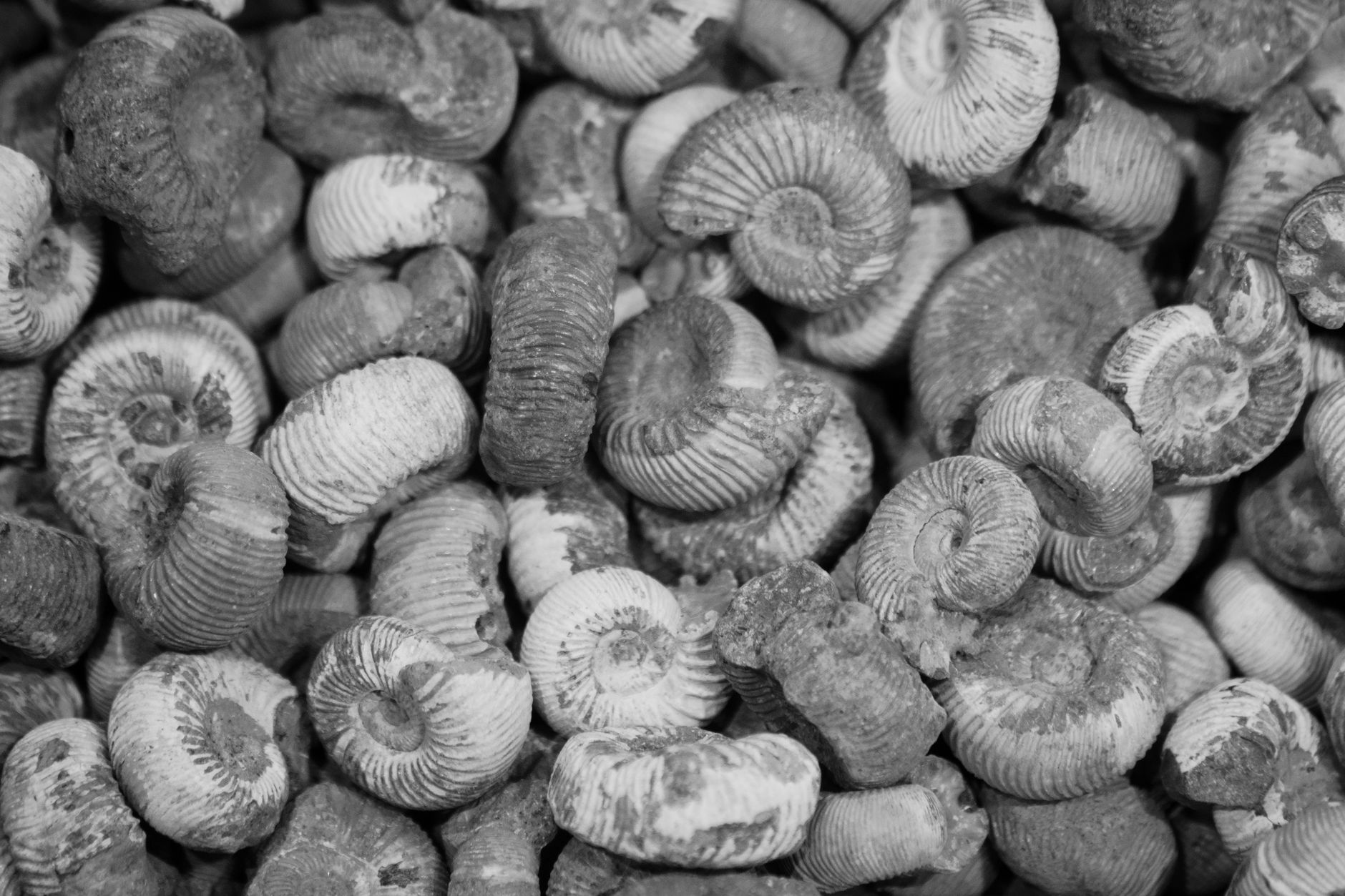
A team of archaeologists discovered around 1,500 animal fossils and tools at a Neanderthal camp located in Burgos, Spain. The discovery represents a significant find for understanding the way of life of Neanderthals on the Iberian Peninsula.
Among the fossils recovered are teeth and bone fragments from various animal species, including wild boar, horse, bison, cow, deer and red deer. The presence of these animal remains suggests that the Neanderthals who inhabited the camp practiced hunting and consuming a wide variety of species.
The tools found at the site indicate that the camp's inhabitants possessed advanced technological capabilities for processing food and materials. The camp appears to have been used over a significant period, given the large volume of remains found.
This discovery in Burgos contributes to expanding scientific knowledge about the daily activities and capabilities of Neanderthals, revealing details about their diet, tools and adaptation to the region's environment during the Paleolithic period.