Repeated forgetfulness, apathy and loss of autonomy: Portuguese study identifies warning signs for dementia
Science
Образование
Porto

Repeated forgetfulness, apathy and loss of autonomy: Portuguese study identifies warning signs for dementia

Expresso3 September 2026 at 08:00

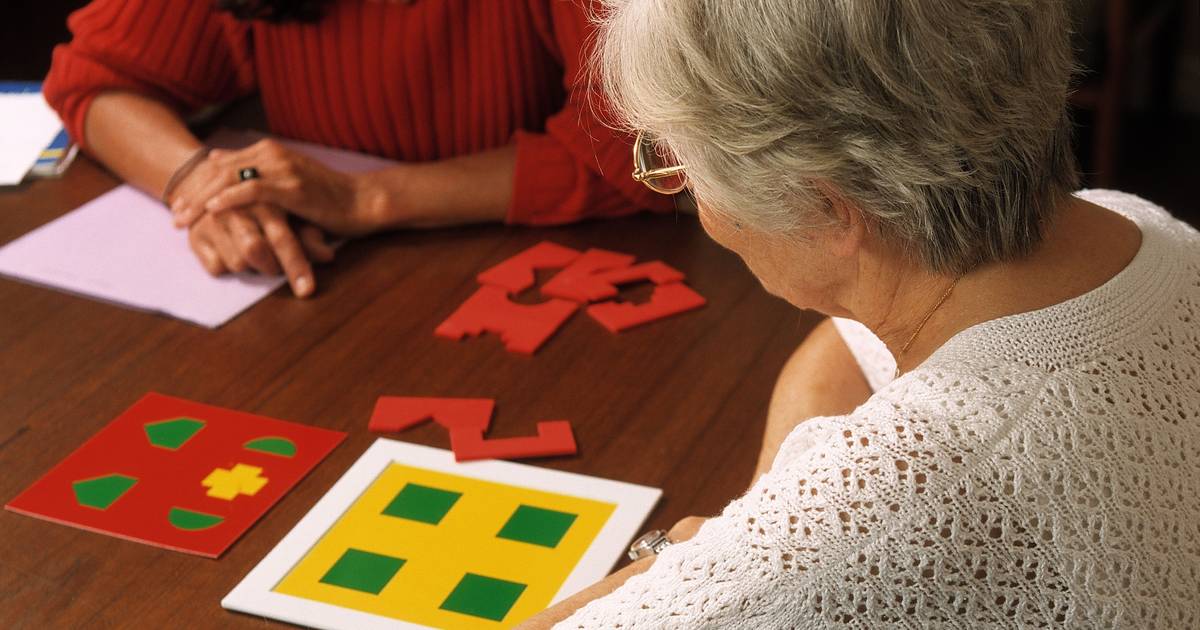
Dementia affects almost 240,000 Portuguese people and constitutes a growing public health problem in the country. Researchers from the University of Porto are conducting a study with the objective of facilitating the identification of a risk profile for this neurodegenerative condition.

Population aging, although a relevant factor, does not alone explain the increase in dementia cases. According to the study, factors such as hypertension, diabetes and physical inactivity play a central role in the development of these diseases.

The study identified warning signs that may indicate the onset of dementia, including repeated forgetfulness, apathy and loss of autonomy. These symptoms represent important indicators that can help in the early detection of the condition.

The results of the research aim to contribute to a better understanding of risk factors and to a more timely diagnosis, allowing interventions that may slow the progression of the neurodegenerative disease.

Related articles

Lluís Masana, experto en metabolismo: “El colesterol LDL no es un factor de riesgo más, es la causa de la arteriosclerosis”
Science

Lluís Masana, metabolism expert: "LDL cholesterol is not just another risk factor, it is the cause of atherosclerosis"

During the European Society of Cardiology (ESC) Congress, specialist Lluís Masana stated that LDL cholesterol is not just a risk factor, but the direct cause of atherosclerosis. The pharmaceutical company Daiichi Sankyo presented new data demonstrating clinically relevant reductions in LDL cholesterol levels in the first year of treatment, projecting a significant reduction in 10-year cardiovascular risk.

El Periódico Mediterráneo - General03/09/26, 09:06
Science

Rui L. Reis chairs I3Bs at UMinho until 2030

Rui L. Reis, scientist and full professor at the University of Minho, was reappointed as president of I3Bs – Institute of Research on Biomaterials, Biodegradables and Biomimetics for the 2026/2030 term. Born in Porto 59 years ago and holding a PhD in Polymer Science and Engineering from UMinho, Rui L. Reis is considered the most cited Portuguese scientist in the world, with more than 85,000 citations, co-author of more than 2,030 scientific publications and more than 130 patents. He founded the 3B's research group 27 years ago and leads the European Institute of Excellence in Tissue Engineering and Regenerative Medicine (EXPERTISSUES), with branches in 13 countries. I3Bs, the first organic research unit created in Portuguese public universities, stands out in areas such as new materials, tissue engineering, regenerative medicine and nanomedicine, with more than 150 collaborators from numerous countries.

Jornal Económico03/09/26, 09:01
O mosquito coreano que prospera no frio já é um novo problema europeu
Science

The Korean mosquito that thrives in the cold is already a new European problem

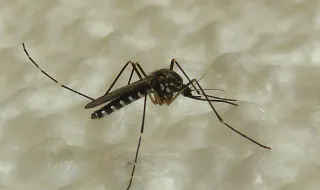
The Korean bush mosquito (Aedes koreicus), more cold-tolerant than Aedes albopictus, has managed to establish itself in European regions where other invasive species struggle. First detected in Europe in 2008, a new study published in Acta Tropica analyzed 91 scientific articles on the species, most focused on surveillance. The main challenge identified is the correct identification of the species, as Aedes koreicus eggs can easily be confused with those of other species.

ZAP Notícias03/09/26, 09:00
Science

UA promotes linguistic contest for children

The University of Aveiro has launched a linguistic contest aimed at children and young people aged 3 to 15, inviting them to create stories through "plurilingual kamishibai" boards that value linguistic and cultural diversity. The initiative aims to promote linguistic awareness and respect for multiculturalism among the younger generations, encouraging creativity and reflection on different languages and cultures.

Diário de Aveiro03/09/26, 09:00