Rui L. Reis chairs I3Bs at UMinho until 2030Photo by Valentin Ivantsov on Pexels
Science

Rui L. Reis chairs I3Bs at UMinho until 2030

Jornal Económico3 September 2026 at 09:01

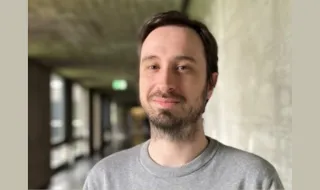
Rui L. Reis, scientist and full professor, was reappointed on September 3 as president of I3Bs – Institute of Research on Biomaterials, Biodegradables and Biomimetics at the University of Minho for the 2026/2030 term. The inauguration was attended by rector Pedro Arezes and took place at 9:30 am in the auditorium of I3Bs, located at Avepark, in Barco, Guimarães. The vice-presidents are Professor Natália Alves and researchers Joaquim Miguel Oliveira and Vítor Correlo.

Rui L. Reis was born 59 years ago in Porto and earned his PhD in Polymer Science and Engineering from UMinho. He was vice-rector and director of the 3B's research group, which he founded 27 years ago, and is also director of the ICVS/3B's associate laboratory and CEO of the European Institute of Excellence in Tissue Engineering and Regenerative Medicine (EXPERTISSUES).

He is considered the most cited scientist based in Portugal in the world, with more than 85,000 citations on the ISI Web of Science platform, co-author of more than 2,030 scientific publications and more than 130 patents. He led national and international projects with funding exceeding 140 million euros and was distinguished by UNESCO, by the European and American Societies of Biomaterials, by TERMIS (which he has already chaired) and by other institutions. He is a doctor honoris causa by the universities of Granada and the Polytechnic University of Bucharest, member of the National Academy of Engineering of the USA and of the European Academy of Sciences.

I3Bs is the first organic research unit created in Portuguese public universities and encompasses the 3B's Research Group and the 3B's Innovation and Services Group, with more than 150 collaborators from numerous countries. It hosts EXPERTISSUES with branches in 13 countries and is the base of the TERM Research Hub – Guimarães City Institute, standing out in new materials, controlled drug release, tissue engineering, regenerative medicine, nanomedicine and isolation and differentiation of stem cells.
Related articles

Science

New mosquito arrives in Europe and can survive the cold

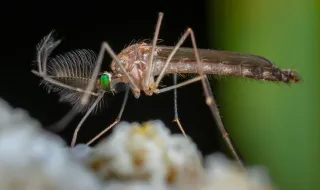
An invasive mosquito capable of withstanding lower temperatures than similar species is spreading across Europe. This mosquito, identified as Aedes koreicus, has adapted to colder climates and has already been found in several European countries, including Belgium, Germany, Hungary, Italy and Slovenia, representing a potential threat to European public health.

Notícias de Coimbra03/09/26, 09:57
Science

Researcher from Coimbra elected president of the European Sociological Association

Ana Cristina Santos, a researcher at the Centre for Social Studies at the University of Coimbra, was elected president of the European Sociological Association (ESA) until 2028, during the 17th ESA Congress at the University of Warsaw. A sociologist with a PhD in Gender Studies from the University of Leeds and a Coordinating Researcher with Habilitation in Human Rights, Santos is an expert on LGBTQI+ issues, body, citizenship and aging, having received two grants from the European Research Council. The election takes place at a time she describes as particularly challenging for democracy and science, defending that Sociology should be a beacon of justice, diversity and dignity, promoting critical thinking and evidence-based knowledge.

Campeão das Províncias03/09/26, 09:42
Ricardo Biscaia, coordenador do estudo Edulog: «Sempre foi dito que a média não importa, mas a verdade é que importa»
Science

Ricardo Biscaia, Edulog study coordinator: "It has always been said that the average doesn't matter, but the truth is that it does"

Ricardo Biscaia, coordinator of the Edulog study "Results in the Labor Market of Portuguese Higher Education Graduates", spoke with Human Resources about the main conclusions of the research. The study analyzes the performance of graduates in the Portuguese labor market, with Biscaia highlighting that, contrary to what has been frequently said, the average of results actually matters and is a relevant indicator for evaluating the effectiveness of higher education.

SAPO Notícias03/09/26, 09:40
Science

Telescope "with Portuguese hands" in Chile records observation

A spectrograph with Portuguese participation, called "Moons", installed on the 10.4-meter telescope at the Roque de los Muchachos Observatory, in La Palma, achieved its first scientific observation, recording the spectrum of a distant galaxy. The instrument is described as "decisive for understanding how galaxies formed and evolved", and the principal investigator of the project hopes it will allow "understanding what led to the peak of galaxy activity", a phenomenon that occurred approximately 10 billion years ago.

Observador03/09/26, 09:40