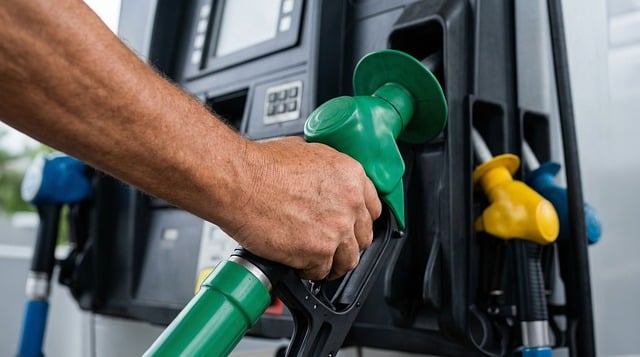
The Minister of Environment and Energy, Maria da Graça Carvalho, defended in a hearing before the Environment and Energy Committee that setting fuel prices should only be used as a last resort, arguing that the market should function and that the State should act through taxes and support. The minister said she was not in favor of direct intervention in prices and instead advocated fiscal measures and support targeted at the most vulnerable consumers and sectors.
As justification for this position, Maria da Graça Carvalho cited previous experiences, namely a decision to cap fuel prices during a government led by António Guterres. According to the minister, former minister Joaquim Pina Moura later acknowledged that this intervention had been the worst measure taken during his lifetime, arguing that interfering in the market always has bad consequences.
The minister also pointed to the Iberian mechanism for capping gas prices, adopted during the energy crisis, as an example of the risks of interfering with market functioning. According to the minister, this interference had very serious consequences for both Spain and Portugal, reducing investment in wind energy.
The rise in fuel prices is occurring against a backdrop of escalating tensions in the Middle East and the effects of the war between Russia and Ukraine on refining capacity and energy supply. The minister warned that the destruction or reduction of capacity of several refineries may mean that market normalization takes time even after conflicts end, as these infrastructures take years to rebuild.