Unseen roads discovered at Machu Picchu: secret will be well kept
Science
Образование
Транспорт
Setúbal

Unseen roads discovered at Machu Picchu: secret will be well kept

ZAP Notícias4 September 2026 at 18:20

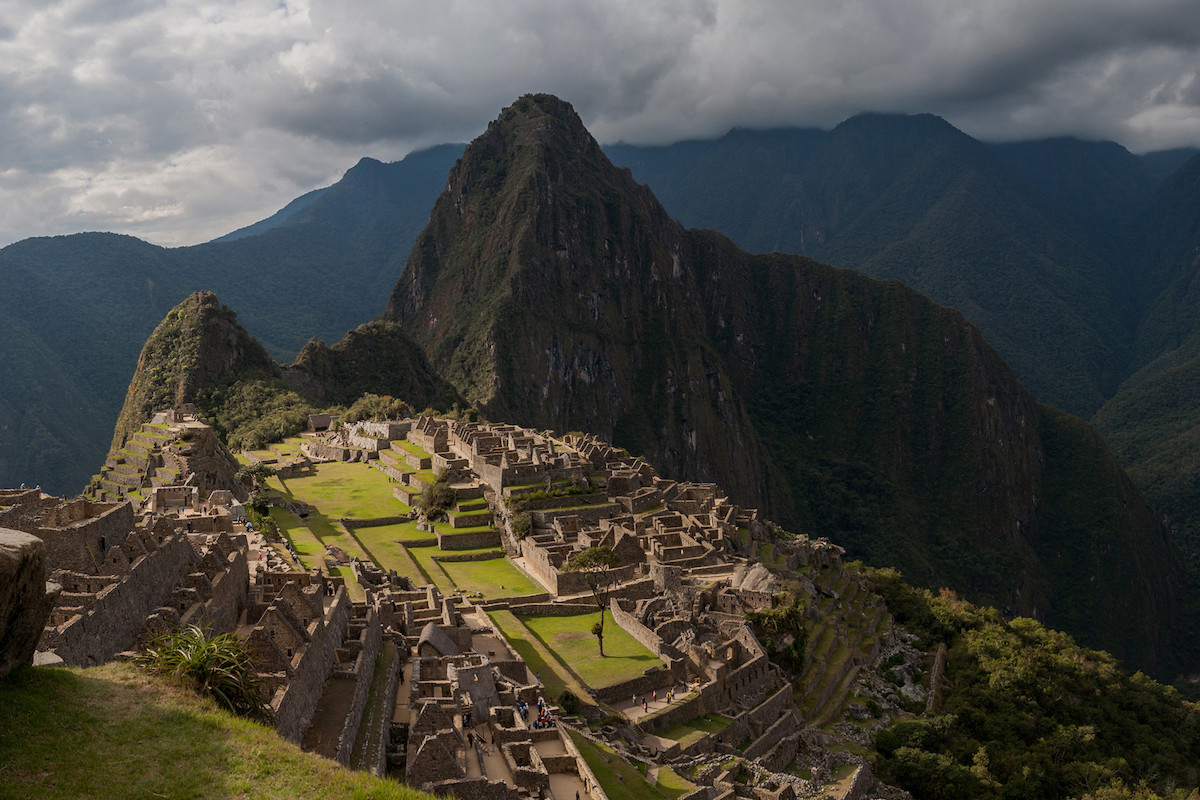
Nearly 2.5 kilometres of pre-Columbian roads with typical features of the Inca civilization were discovered in the vicinity of Machu Picchu, Peru. The pathways are hidden under dense tropical rainforest, on the opposite bank from the more than 60 monuments classified as UNESCO World Heritage.

A team of archaeologists discovered approximately 2.4 kilometres of these ancient roads, which lead to platforms and terraces near the so-called Mandor Wall. The discovery was made with the help of specialized technology and announced through a statement from the University of Warsaw.

The researchers suggest that this discovery may force a revision of some existing ideas about the organization and function of Machu Picchu's Inca complex, opening new perspectives on the structure of this civilization.

The roads, which remained hidden for centuries under tropical vegetation, represent a significant finding for understanding the road network and territorial extent of the Inca empire in the region.

Related articles

Science

Cardiologist warns: do not drink coffee after this time

A Spanish cardiologist, Aurelio Rojas, recommends that coffee consumption be concentrated in the morning and preferably finished before 3 PM, to avoid negative effects on sleep quality. Caffeine can remain in the body for four to six hours, affecting sleep patterns even when the person manages to fall asleep. The European Food Safety Authority indicates that doses from 100 milligrams can alter rest, and that the safe limit for healthy adults is 400 milligrams daily. The doctor also advises against roasted coffee varieties with sugar and suggests decaffeinated coffee as an alternative for those with greater sensitivity to caffeine.

Postal do Algarve04/09/26, 18:50
Científicos crean la primera estructura de titanio impresa en 3D que puede flotar
Science

Scientists create the first 3D-printed titanium structure that can float

A team of researchers developed a 3D-printed titanium structure that can float on water, even after suffering significant damage. Its design combines an ultralight metal lattice with polyurethane foam, which could open new possibilities for devices and structures intended to operate at sea.

El Periódico Mediterráneo - General04/09/26, 18:26
Science

Study explains how breathing can influence our decisions

A German study published in the journal Neuron revealed that slow breathing, with expiration longer than inspiration, can make people more likely to take financial risks. Researchers from the Free University of Berlin used magnetic resonance imaging and cardiac monitors on 41 healthy adults to investigate the effect of controlled breathing on the brain and decisions. Prolonged expiration increases the activity of the parasympathetic nervous system, known as "rest and digest," amplifying cerebral sensitivity to rewards and leading to greater acceptance of risky bets. The study suggests that simple breathing techniques can directly influence economic behavior and decision-making.

extra04/09/26, 17:50
Science

Scientists create molecule that eliminates aggressive lymphoma tumors in rats in just 11 days

Researchers at Stanford University, in the United States, developed a molecule capable of eliminating aggressive B-cell lymphomas in rats in just 11 days. The substance redirects a common protein in this type of lymphoma to activate programmed cell death. When administered twice a day, the treatment was able to completely eliminate the tumor in less than two weeks. Professor Gerald Crabtree, from Pathology and Developmental Biology, explained that the approach aims to fight cancer at its cause, eliminating its driving force and reprogramming it to induce self-destruction mechanisms of cells.

extra04/09/26, 17:49