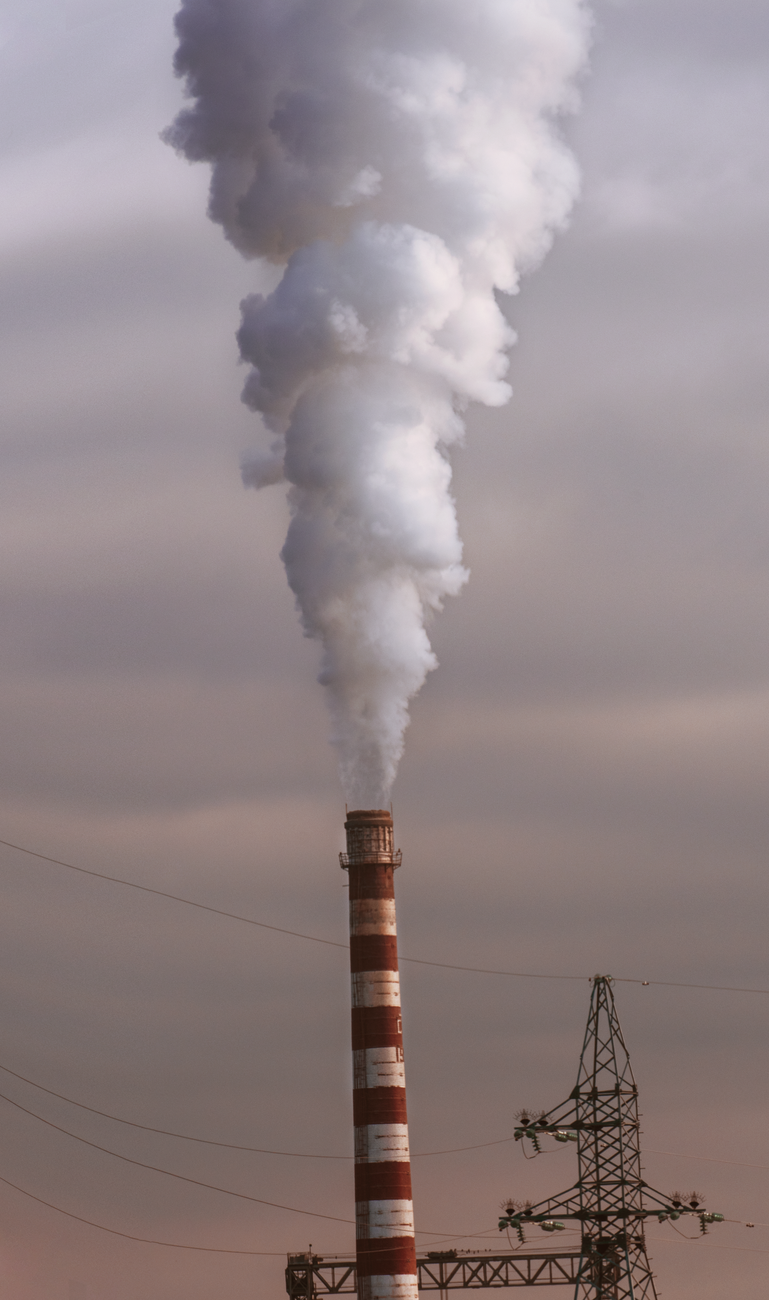
As Himalayan glaciers become increasingly covered by a layer of pollution from car exhaust, coal plants and factories, scientists explain that this dark coverage causes glaciers to absorb more heat from the sun and melt faster, worsening the glacial melting process in high mountain regions.
The Langtang region in Nepal is one of the most concerning examples. Located downwind from some of the most polluted corridors in South Asia, the area was the site of a recent glacier collapse that caused devastating flash floods. Although the exact cause of the disaster is still unclear, the situation highlights the growing risks.
Scientists warn that air pollution represents an increasingly greater threat to glaciers around the world. Soot and other pollutants present in the atmosphere not only affect air quality in inhabited regions, but also have a direct impact on accelerating glacial melting, compromising water resources and increasing the risk of natural disasters in vulnerable communities.