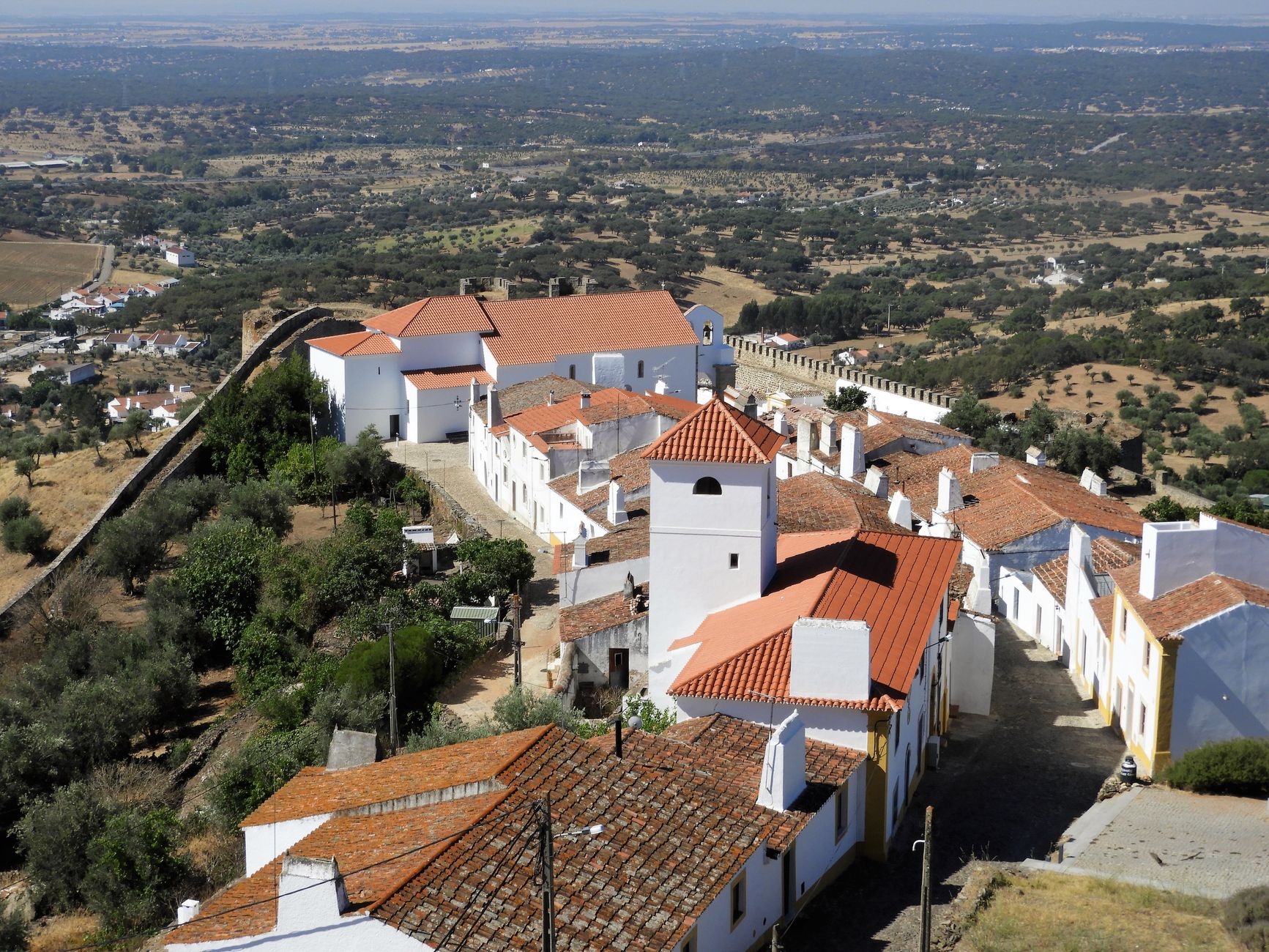
In July, Alentejo recorded a growth of 7.7% in tourist overnight stays, the highest among the country's tourist regions, according to data from the National Statistics Institute analyzed by José Manuel Santos, president of Turismo do Alentejo e Ribatejo. Tourism revenue rose almost 20% compared to the same period in 2025, with increases of 14.6% in revenue per available room and 12% in revenue per occupied room. The results are considered particularly relevant in a year when the tourism sector faces a slowdown at national level and in several international markets.
The domestic market was the main driver of Alentejo's performance, with a growth of about 11%, while the international market showed a slight growth of 0.2%. José Manuel Santos highlighted that, although the region grew above the national average in most indicators, the growth of the external market was below the national average. He noted that the region managed to sell more at higher prices, which he considers a reflection of the quality of Alentejo's tourism offer and the work developed by businesses, municipalities, and promotion entities.
Among the identified challenges, the president of Turismo do Alentejo e Ribatejo pointed to the German market as one facing the greatest difficulties, citing economic factors such as the crisis in some sectors and layoffs at companies, as well as climatic conditions that reduce Germans' willingness to travel to southern Europe. Given these difficulties, a strong focus on international promotion of the region is planned for the final months of 2026, which José Manuel Santos anticipated will be "the most intense four-month period of international promotion that Alentejo has ever had," with the aim of diversifying markets and reducing exposure to fluctuations from specific emitting countries.
José Manuel Santos considered that July's results contribute to increasing investor confidence in the region, highlighting tourism projects in low-density municipalities such as Crato, where investments are associated with the wine tourism strategy. He recalled that August data still needs to be released, but stated that the results are encouraging and provide motivation to continue the work, emphasizing that tourism can continue to be an important economic activity for keeping people in the region and creating jobs, although the sector still pays about 30% less than the general economy.