Ecology: Pope associates himself with ecumenical initiative, warning about a world "wounded" by war
Agência ECCLESIA30 August 2026 at 11:59
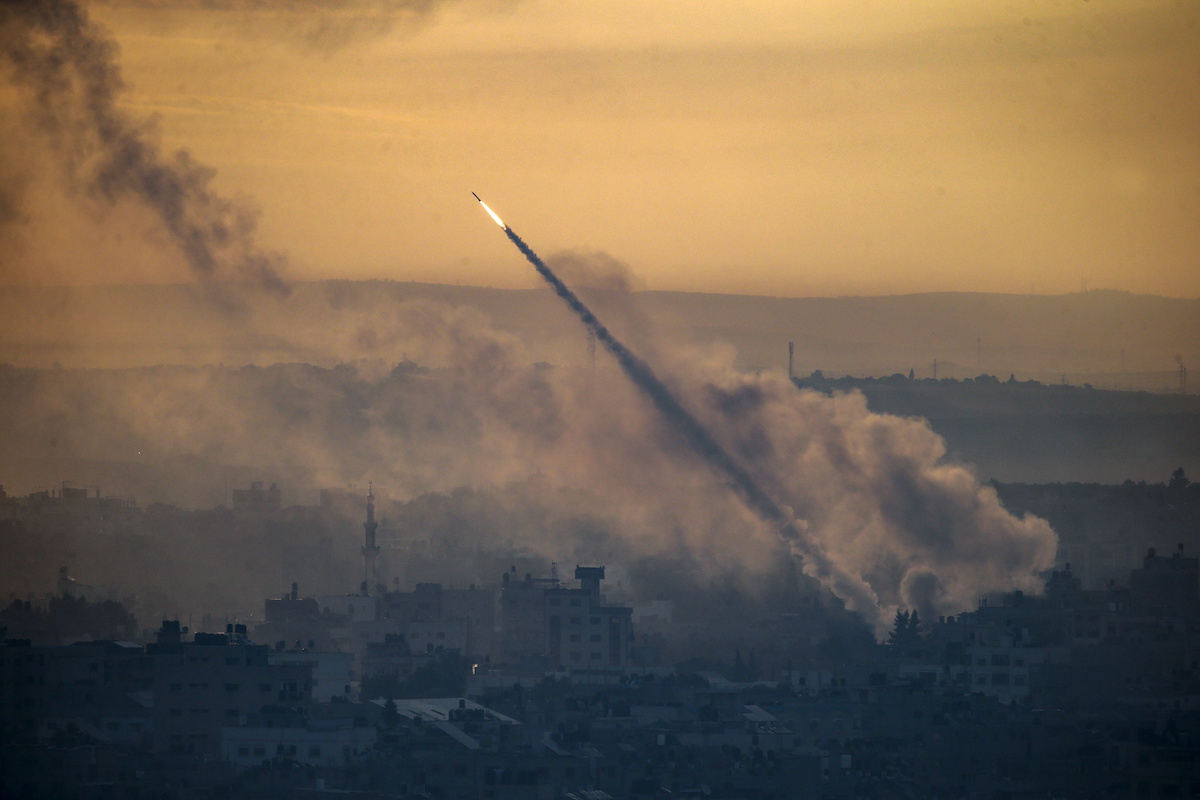
Pope Leo XIV associated himself with the "Season of Creation," an ecological and ecumenical initiative taking place between September 1 and October 4, warning about the urgency of caring for a world "wounded" by war. The pontiff spoke after reciting the Angelus at Castel Gandolfo, near Rome, and asked that everyone unite in prayer and action to become "channels of the living water of God's peace." On September 1, the date when World Day of Prayer for the Care of Creation is celebrated, the Pope will preside over Mass in the pontifical gardens of Castel Gandolfo.
The theme for this year's World Day of Prayer for the Care of Creation is "Living Water," a celebration shared by Christians from various denominations. This day has been celebrated by the Catholic Church since 2015, on the occasion of the publication of Pope Francis's encyclical "Laudato si'," in harmony with the Orthodox Church, which had already been marking it since 1989. The "Laudato Si'" Movement is also organizing an ecumenical online prayer gathering on September 1st at 2 PM Lisbon time.
In his message for the 11th edition of this day, the Pope warned that war leaves "a social and ecological destruction that lasts for generations," wounds that "damage the entire fabric of life." The pontiff wrote that today many crises and much human suffering are witnessed, and that the disturbance of the harmonious balance of creation is accelerating, highlighting that these phenomena constitute "a single call to healing and peace, coming from a wounded world."
The theme of Leo XIV's message for this day comes from the prophet Isaiah: "They shall beat their swords into plowshares and their spears into pruning hooks." The Pope argued that the true tools for building peace are "truth, dialogue, patience, kindness, justice, mercy, understanding, care and love," and not weapons of destruction, inviting people to imagine a world that channels the energies of war towards integral human development and reconciliation among peoples.
Dia Mundial de Oração pelo Cuidado da Criação assinala-se a 1 de setembro
Foto: Lusa/EPA
Castel Gandolfo, Itália, 30 ago 2026 (Ecclesia) – O Papa associou-se hoje ao “Tempo da Criação”, iniciativa ecológica e ecuménica que decorre entre 1 de setembro e 4 de outubro, alertando para a urgência de cuidar de um “mundo ferido” pela guerra.
“Cuidar da nossa casa comum exige uma conversão do coração, para que aquilo que tem sido utilizado para causar destruição possa, em vez disso, ser orientado para a vida”, disse, após a recitação do ângelus em Castel Gandolfo, arredores de Roma.
Leão XIV recordou que, na próxima terça-feira, se celebra o Dia Mundial de Oração pelo Cuidado da Criação, celebrado por cristãos de várias denominações, cujo tema este ano é ‘Água Viva’.
“Convido todos a unirem-se em oração e ação, para que possamos tornar-nos canais da água viva da paz de Deus, revigorando o nosso mundo ferido”, pediu o pontífice.
A 1 de setembro, o Papa vai presidir à Missa nos jardins pontifícios de Castel Gandolfo, para assinalar este dia de oração.
Já o Movimento ‘Laudato Si’ promove, no dia 1 de setembro, uma oração ecuménica, online, a partir das 14h00 de Lisboa.
Na sua mensagem para o próximo Dia Mundial de Oração pelo Cuidado da Criação, o Papa alertou que a guerra deixa “uma destruição social e ecológica que perdura gerações”, feridas que “danificam todo o tecido da vida”.
“Hoje, testemunhamos muitas crises e muito sofrimento humano. Parece, ao mesmo tempo, que a perturbação do equilíbrio harmonioso da criação está a acelerar. Estes fenómenos não deixam de estar relacionados: constituem um único apelo à cura e à paz, proveniente dum mundo ferido”, escreveu.
Esta é uma jornada celebrada pela Igreja Católica desde 2015, por ocasião da publicação da encíclica ‘Laudato si’, do Papa Francisco, em sintonia com a Igreja Ortodoxa que assinala a mesma jornada desde 1989.
‘Transformarão as suas espadas em relhas de arados e as suas lanças em foices’, do profeta Isaías (Is 2, 4), é o tema da mensagem de Leão XIV para a 11.ª edição do Dia Mundial de Oração pelo Cuidado da Criação.
“As feridas da guerra e a degradação da terra estão intimamente ligadas à condição do coração humano. Os conflitos que atormentam a humanidade são, em muitos aspetos, a expressão exterior da discórdia e da divisão interiores”, alertou o Papa.
Leão XIV convidou a imaginar um mundo que canalize as energias que investe na guerra no “desenvolvimento humano integral, a superação da pobreza, a proteção da dignidade humana e a reconciliação entre os povos”, porque as verdadeiras ferramentas para construir a paz são “a verdade, o diálogo, a paciência, a bondade, a justiça, a misericórdia, a compreensão, o cuidado e o amor”, e não as armas de destruição.
The Salt Lake of Torrevieja, in Alicante, Spain, transforms into a vibrant pink setting during summer, particularly between August and September, due to a natural phenomenon involving Dunaliella salina microalgae and bacteria that produce carotenoids under conditions of high salinity and evaporation. The phenomenon, which has even attracted NASA's attention, is part of the Natural Park of the Lagunas de La Mata y Torrevieja, where salt pans managed by the Unión Salinera de España remain active. Visits are free along the trails and viewpoints, with guided train tours available for €12 for adults. From Portugal, there are direct flights to Alicante from €51 from Lisbon and €98 from Porto.
This opinion article from the Jornal do Algarve presents a cynical reflection on the language used in politics and sports, comparing how expressions like "strategic surprises and offensive posture," used by Iran regarding the United States, could easily be applied to football. The author notes how the discourse of footballers and politicians is frequently empty and permissive of multiple interpretations. In a second part, it addresses the issue of plastic recycling in Portugal, criticizing those who demand more recycling without confronting the practical problems of overflowing bins and collection machines at supermarkets, in a clearly ironic tone about the contradiction between demands and practices.
Bárbara Silva, a young woman from Trancoso, achieved her dream of entering the Medicine course at the University of Coimbra, having been the best incoming student this year. The Medicine course continues to be the one that requires the highest grade average for admission at Coimbra, making this achievement even more remarkable.
During the Cold War, while the United States and its allies consumed Coca-Cola, communist countries created their own versions of the drink. Scientists from the Soviet Union, Romania and other communist countries developed their own cola recipes, often using local ingredients and adapting the taste to local consumer preferences. Some of these products, such as Kvas or Romanian cola, became so popular that they are still consumed today and are considered cultural successes, demonstrating how ideological rivalry extended even to the details of everyday consumption.