Higher education classes in Portugal's interior begin this Monday, September 7, 2026, with a flow of new students that contrasts with the demographic abandonment of border regions. The University of Beira Interior welcomed 1,344 new students in the first phase of the national admissions process, filling 82% of available places. In parallel, the Polytechnic Institute of Castelo Branco, the Polytechnic Institute of Guarda, and the Polytechnic Institute of Portalegre together total over 1,400 initial placements.
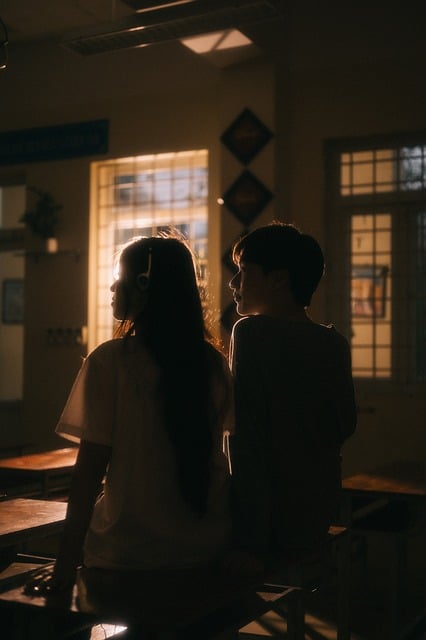
The new students face a challenging transition, moving from a protected school environment to total autonomy in academic life. At university, no teacher contacts parents about absences or demands daily notebook review, and freshmen must quickly master curricular credit systems, digital portals, and assessment calendars. The academic pace is intense, and those who postpone studying risk failing the semester before Christmas.
Teaching at interior institutions is characterized by less marked hierarchical distance, with lecturers who directly oversee laboratory projects and maintain direct contact with students. However, this proximity hides an unrelenting demand that can shake certainties right from the first test.
For parents, sending children off to higher education represents a significant emotional challenge. Effective support does not depend on constant phone calls, but on knowing how to listen without trying to control the student's routine. Setting a monthly budget and maintaining an open channel for emergencies are practical measures that soften the shock of transition, allowing young people's maturity to flourish.