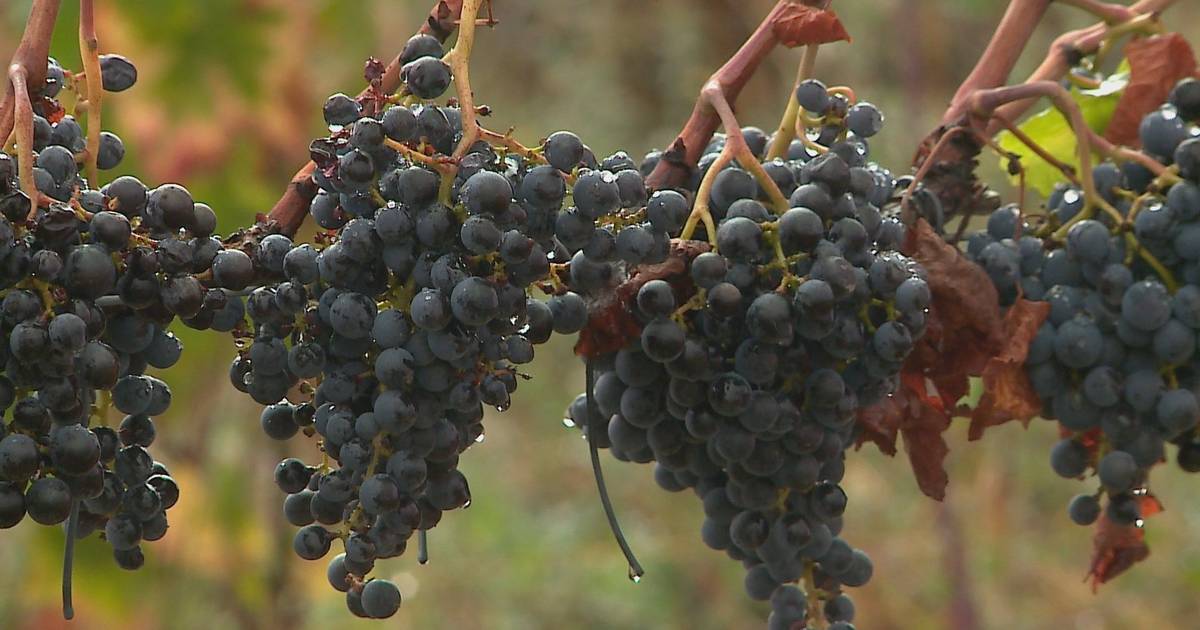
The Dão region in Portugal is facing a growing labor shortage for the grape harvest, which has been forcing local producers to invest in mechanization as a solution to ensure the continuity of winemaking activity. The lack of seasonal workers has been a growing difficulty in recent agricultural campaigns in the region.
A family project in the region exceeded almost half a million euros in investment specifically to implement grape harvest mechanization. This amount represents the significant cost that many producers are assuming to not lose their roots and traditions in the land.
Mechanization thus emerges as a practical response to the demographic and labor reality that affects not only the Dão but also various wine-producing regions of the country. Producers who invest in this solution seek to maintain the production and quality of their grapes without depending exclusively on the availability of human labor.
This phenomenon reflects a broader transformation in the Portuguese wine sector, where technological innovation becomes essential to face the challenges of human resource scarcity, allowing local producers to preserve the family legacy and the connection to the land that characterizes the Dão region.