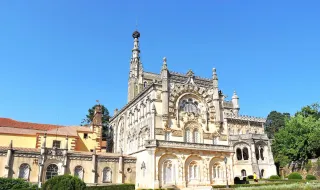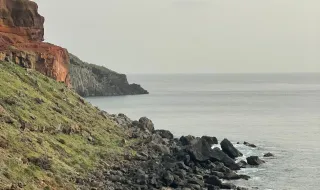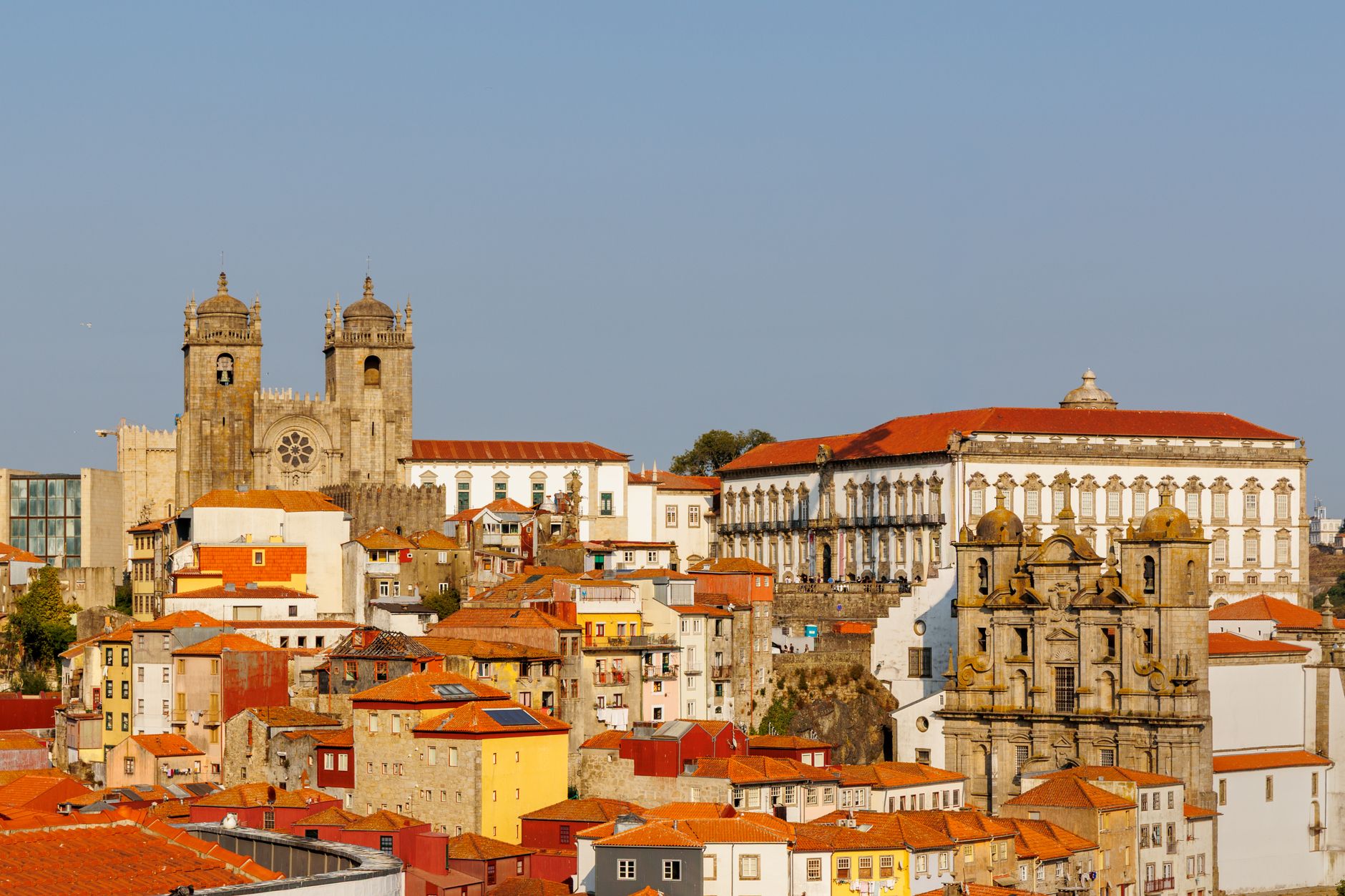
The Spanish newspaper 20minutos dedicated an article to Carvoeiro, a village located in the municipality of Lagoa and about ten kilometres from Portimão, presenting it as one of the most "authentic and elegant" places in the Algarve. The publication praised the characteristic image of the settlement, marked by white houses built on the slopes that seem to "descend" toward the beach and the Atlantic, surrounded by golden cliffs. Carvoeiro officially obtained the status of a town in 2001, when the former settlement of Praia do Carvoeiro was elevated by decision of the Assembly of the Republic.
The arrangement of the whitewashed houses along the sloping streets is one of the aspects most highlighted by the Spanish newspaper. Near the beach there are restaurants, bars, and terraces, without a pronounced separation between the village centre and the sand. The viewpoints near Nossa Senhora da Encarnação and Estrada do Farol offer panoramic views over the coast and the Atlantic, being frequently mentioned spots for those visiting the village.
The boardwalk of Carvoeiro, about 570 metres long, connects the area of the chapel and fort of Nossa Senhora da Encarnação to Algar Seco, allowing visitors to walk along the coast and observe the rock formations. Algar Seco is characterized by the erosion of limestone, which has created cavities, arches, and natural tunnels by the sea. The Spanish publication also recommends exploring the surroundings, including Carvalho beach, about four kilometres away, and the famous Benagil Cave, which Turismo de Portugal describes as one of the most beautiful stretches of the Algarve coastline.
Despite the strong tourist demand today, the fishing roots continue to be part of Carvoeiro's identity. The boats traditionally associated with fishing activity are now used for sea trips through the caves and sinkholes of the coast. The Spanish newspaper presents the village as an alternative for those seeking to discover a different facet of the Algarve, beyond the major tourist centres, highlighting the contrast between the former fishing settlement and the tourist destination it has become.