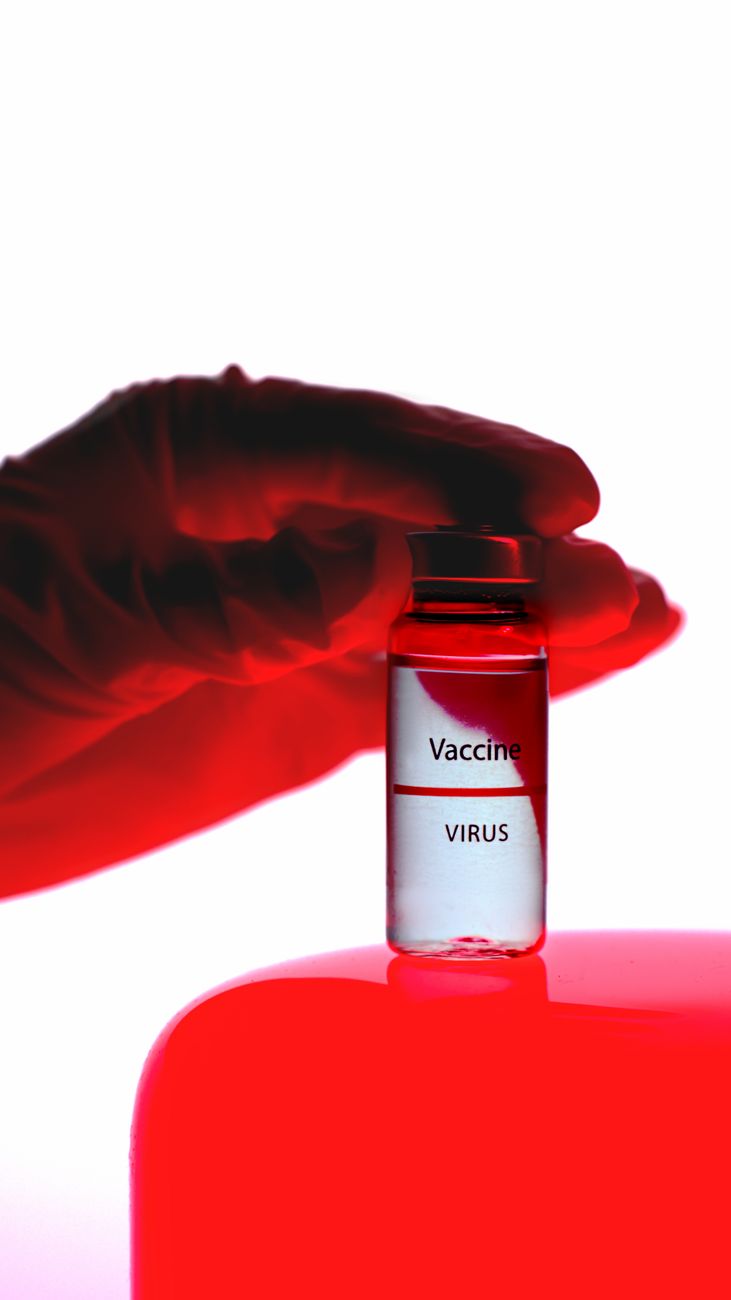
Find out when the vaccination of children against respiratory syncytial virus beginsPhoto by Artem Podrez on Pexels
Science
Медицина
Coimbra

Find out when the vaccination of children against respiratory syncytial virus begins

Notícias de Coimbra3 September 2026 at 13:00

The seasonal pediatric immunization campaign against respiratory syncytial virus (RSV) begins on September 16. The goal is to vaccinate all eligible children before the start of winter, the period when the virus has the highest circulation and causes more serious respiratory infections in babies and young children.

RSV is one of the main agents responsible for respiratory infections in children, potentially causing bronchiolitis and pneumonia, especially in infants. The vaccination aims to protect the most vulnerable groups from serious complications associated with this infection.

The Directorate-General for Health is the entity responsible for coordinating and establishing the guidelines for this seasonal vaccination campaign, ensuring that the vaccine reaches all children who need it nationwide.

Parents and guardians should stay attentive to the information provided by health authorities regarding eligibility criteria and the locations where they can vaccinate their children against RSV.

Related articles

Beber más agua cada día: el pequeño hábito que ayuda a cuidar cuerpo y mente
Science

Drink More Water Every Day: The Small Habit That Helps Take Care of Body and Mind

The article discusses how, despite drinking water seeming like something simple, it's common to forget to hydrate during the day due to the busy routine. It suggests that the problem is not a lack of knowledge, but rather of habit: water is available, but it doesn't have a place in our schedule. The solution involves creating a routine that reminds us to drink water regularly to take care of body and mind.

El Periódico Mediterráneo - General03/09/26, 22:59
Livros: Quando o seu filho vê filmes de terror
Science

Books: When Your Child Watches Horror Movies

The article discusses how watching horror movies or true crime series can, surprisingly, be a question of empathy for the victims, as argued by Coltan Scrivner in his book "Morbid Curiosity." The work explores "morbid curiosity" and suggests that human interest in macabre and frightening content is linked to the ability to identify with those who suffer, challenging the view that this type of content is merely harmful or unhealthy.

Expresso03/09/26, 22:57
Até hoje, não há provas de que a vida se formou no Espaço
Science

To this day, there is no evidence that life formed in Space

There is still no evidence that life formed in Space, even though the basic ingredients — such as amino acids, sugars and nucleic acid bases — have already been found in meteorites and asteroid samples. Laboratory experiments show that more complex molecules can also form under space-like conditions, which fuels the hypothesis that essential components of life may have been produced outside Earth and then transported here. However, according to Philip Ball in an article in Chemistry World, these results are far from proving that terrestrial life began in this way.

ZAP Notícias03/09/26, 22:30
Science

Industry in Alagoas supports marine fauna conservation

The Biota Institute of Conservation, a non-governmental organization operating in Alagoas since 2009, carries out continuous monitoring and protection work for marine fauna, with emphasis on the BiotaMar Project, initiated in 2016 in the Costa dos Corais Environmental Protection Area, the largest marine conservation unit in Brazil. The initiative records strandings of marine animals, monitors the reproductive period of sea turtles, and promotes citizen science actions through the "Stranded?!" campaign. With support from ICMBio and the SOS Pró-Mata Atlântica Foundation, the project has already registered nearly 9,000 occurrences.

oglobo03/09/26, 22:25