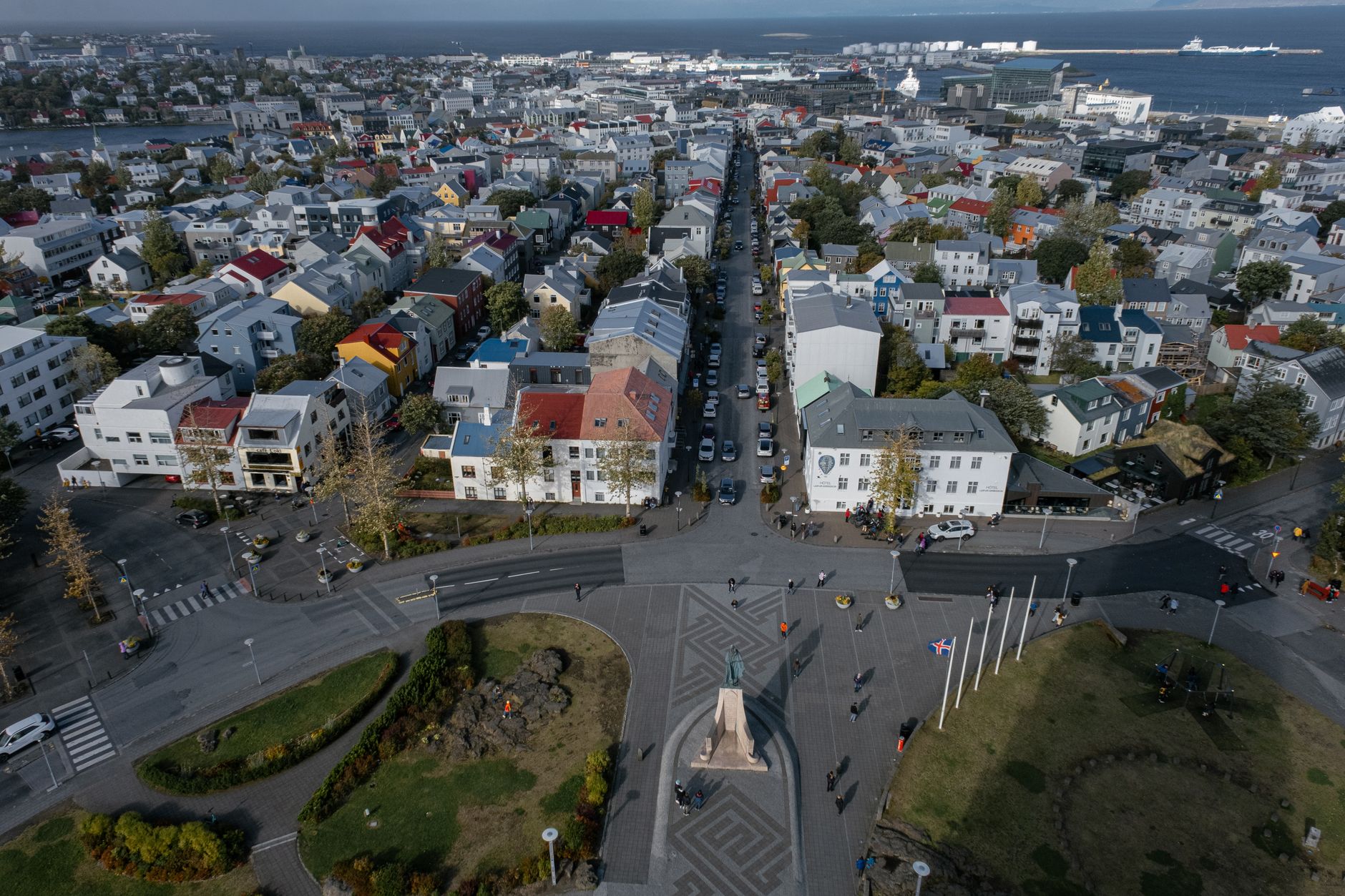
Iceland rejected at the ballot box the possibility of resuming accession negotiations with the European Union. "No" obtained 52.8% of the votes, while 47.2% of voters voted in favor of reopening talks with Brussels. The vote represented a blow to the European side, which saw Iceland as a potential new member of the bloc.
The Icelandic government has already announced it will respect the result of the referendum. The decision of Icelandic voters came at a time when Iceland faces significant economic challenges, including the appreciation of the Icelandic króna and pressure on the country's export sectors.
Iceland had suspended EU accession negotiations in 2013, during the first government of Prime Minister Bjarni Benediktsson. The country maintains close relations with Europe through the European Economic Area, but many Icelanders feared that EU membership could compromise national sovereignty over fishing, a sector that is fundamental to the country's economy.