Cliffs with 200 million years give inspiration for a walk in Marinha Grande
ScienceLeiria

Cliffs with 200 million years give inspiration for a walk in Marinha Grande

SAPO Notícias8 September 2026 at 21:45

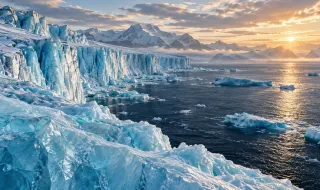
The article title indicates that cliffs (coastal rock formations) approximately 200 million years old are the central theme of a walk held in Marinha Grande. These ancient geological formations serve as a motivating element for the activity. The event is associated with the region of Marinha Grande, known for its natural and historical heritage. The available information is limited to the title, making it impossible to detail further aspects about the organization, participants, or specific objectives of this activity.

Related articles

Science

Primary Biliary Cholangitis – knowing, diagnosing and treating a rare disease

Primary biliary cholangitis (PBC) is a chronic and autoimmune liver disease, characterized by the immune system's attack on the small bile ducts located within the liver. The article, written by gastroenterologist Joana Carvalho e Branco, a member of the Portuguese Society of Gastroenterology, aims to inform about the recognition, diagnosis and treatment of this rare condition.

PT Jornal08/09/26, 22:37
Bloco de gelo do tamanho de Manhattan colidiu com uma ilha — e continuou viagem
Science

Manhattan-sized ice block collided with an island — and continued on its way

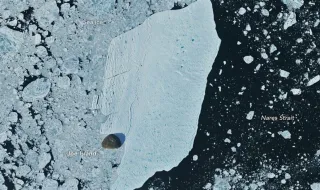
An iceberg with an area comparable to that of Manhattan, USA, broke off from the Petermann glacier on the northwest coast of Greenland on August 4. Since then, scientists have been tracking its trajectory as it crosses the Petermann Fjord and Nares Strait. Images from NASA's and the USGS's Landsat satellites revealed a close encounter between the newly formed iceberg and a small rocky outcrop known as Joe Island. The iceberg appears to have collided with Joe Island, but survived the brief contact without significant fragmentation and continued on its path.

ZAP Notícias08/09/26, 22:30
A Terra vai voltar a congelar. Mas a humanidade pode estar a adiar a próxima glaciação
Science

The Earth will freeze again. But humanity may be postponing the next ice age

Earth has experienced several ice ages throughout its history, and natural cycles explain how ice may advance again in the future. However, human activity, especially carbon dioxide emissions, is significantly altering these natural cycles, potentially delaying the next ice age. Scientists warn that the impact of human activities on the climate may have long-term consequences for the planet's glacial dynamics.

SAPO Notícias08/09/26, 22:14
Tudo o que deve saber sobre queimaduras
Science

Everything you need to know about burns

Burns are injuries that result from contact with extreme heat or cold, chemical substances, electricity, or radiation. Although most burn accidents are minor injuries without major complications, some can be disabling or fatal, requiring proper treatment.

dnoticias.pt08/09/26, 22:00