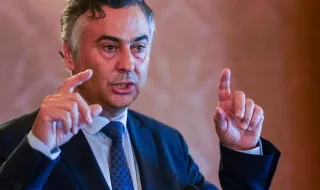
Prime Minister Luís Montenegro responded to the PS leader's criticism about rising fuel prices, guaranteeing that consumers are not the only ones suffering from the price increases. Montenegro argued that the entire economy is harmed by the escalation in energy costs, rebutting the thesis that the State comes out ahead. This exchange of accusations occurs at a time when fuel prices continue to rise, generating pressure on Portuguese families and companies.
The PS leader, Pedro Nuno Santos, accused the State of profiting from rising fuel prices. This accusation is based on the logic that when market prices rise, the tax burden - which is calculated as a percentage - represents a larger absolute value, increasing the State's tax revenue without it having intervened directly. The PS has been using this argument to criticize the government's energy policy.
The central question revolves around how taxation applies to fuels. In petroleum product taxes, both the ISP (Specific Consumption Tax) and VAT are calculated as a percentage of the price, which means that when the gross price rises, the absolute value of the taxes also increases. This dynamic creates the perception that the State automatically benefits from any price increase, although defenders of this thesis argue that taxation should be reviewed to protect consumers.
The debate about fuels is part of a broader context of rising cost of living in Portugal. Both political leaders recognize that Portuguese families face increasing difficulties with these increases, although they disagree on the State's role in this equation. The discussion about fuel taxation has been a recurring theme in Portuguese politics, with various proposals for possible tax reductions or regulatory interventions.