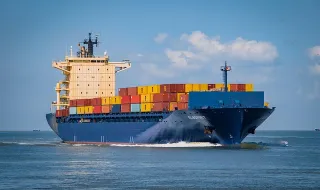
The conflict between the United States and Iran escalated over the weekend, with tensions developing increasingly at sea. Over the past two days, the two countries have been attacking each other in the Gulf region, with the United States attacking three Iranian vessels with missiles on Saturday. Iran has also been firing at American bases and commercial ships, mainly with the objective of maintaining control of the Strait of Hormuz.
The conflict took on new proportions when the firing at American ships began aiming to siege Iranian ports, preventing oil tankers from going to sea. This is the new strategy of the United States, which began directly attacking Iranian oil tankers, even in Iranian waters.
Given this situation, Iran's chief negotiator warned that Iran will give a "faster, more painful and heavier" response to American attacks. Mohsen Rezaï, secretary of the Supreme National Security Council, announced that the country will create an "exclusion zone" in the Strait of Hormuz "in the coming days," which will start from the American navy's blockade line and will include sectors of the Gulf. Any ship that enters this zone will be placed on a sanctions list.
Mohammad Bagher Ghalibaf, chief negotiator and speaker of the Iranian Parliament, stated that "Americans must have realized that the era of proportionate responses is over," emphasizing that any aggression against Iran's interests and security will receive a faster, more intense and more painful response.