Rare, but highly lethal. What are amoebas?Photo by truthseeker08 on Pexels
Science

Rare, but highly lethal. What are amoebas?

Observador5 September 2026 at 15:11

Amoebas are rare organisms, but extremely lethal. When inhaled, these creatures can cause severe forms of meningitis. Although cases are infrequent, the vast majority of them result in death.

In Portugal, there is a record of at least one case in the northern region, which occurred in 2006. This episode demonstrates that the risk, although rare, is not non-existent in the country.

Related articles

Science

Porto Junior University. A week dedicated to scientific research

Forty-nine secondary school students developed scientific research projects over a week at Universidade Júnior, in Porto. The young people were accompanied and guided by scientists, professors and specialists from different health areas.

RTP Notícias05/09/26, 15:10
Há mais de 30 anos que exploram uma gruta escondida numa instalação militar. Um cientista cai à água e encontra uma criatura digna de ‘Stranger Things’
Science

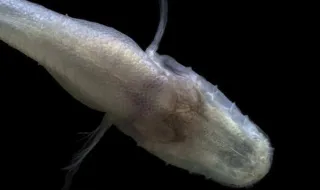
For over 30 years they have been exploring a cave hidden in a military installation. A scientist falls into the water and finds a creature worthy of 'Stranger Things'

For over 30 years, scientists have been exploring Bobcat Cave, an extensive underground limestone network located inside a restricted access military installation in northern Alabama, United States. In February 2025, a biologist from the University of Alabama in Huntsville fell into the water during one of the usual inspections of the cave and made a surprising discovery: an aquatic creature that resembles the creatures from the "Stranger Things" universe. The cave, which is not a comfortable place to work, continues to reveal secrets after decades of exploration.

SAPO Notícias05/09/26, 15:00
Science

Bragança brings together international specialists to debate freshwater mollusk conservation

Bragança hosts from September 7 to 10 the 3rd European Symposium of the Freshwater Mollusk Conservation Society, bringing together international specialists to discuss the conservation of freshwater mollusks, one of the most threatened groups of organisms worldwide. The program includes ten thematic areas, such as genetics, ecotoxicology, reproduction, invasive species and habitat restoration, with researchers from the United Kingdom, Germany, United States, Argentina and representatives of the International Union for Conservation of Nature. The event, which follows the first European meeting dedicated to these organisms held 14 years ago in the same city, aims to strengthen international scientific cooperation and define conservation priorities for the next decade, ending with a visit to the Douro Internacional Natural Park.

Canal N – Notícias – Trás-os-Montes e Alto Douro05/09/26, 14:45
Science

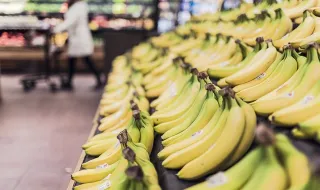
Does wrapping bananas in aluminum foil help keep them fresh longer? Find out

The banana is one of the most consumed fruits in the world due to its health benefits, such as improving blood sugar levels, digestive health, and heart health. However, after harvest, the fruit has a short shelf life because the peel starts to turn yellow and develop black spots. This happens because bananas are tropical fruits that contain ethylene, a substance that accelerates ripening, changing the color from yellow to brown. Although these spots don't necessarily indicate that the food is spoiled, many people prefer to consume them before this stage. The article investigates whether wrapping bananas in aluminum foil is an effective technique to keep them fresh longer.

oglobo05/09/26, 14:40