Kiosks have once again become a topic of public debate with the presentation of six concession proposals in Lisbon and Porto. These historical structures, which have shaped the urban landscape of both cities, are once again at the center of commercial and cultural interest.
Originally, kiosks operated as cafés, social gathering spots and newspaper vendors, playing an important role in the social life of Portuguese cities. Over time, their functions have changed significantly.
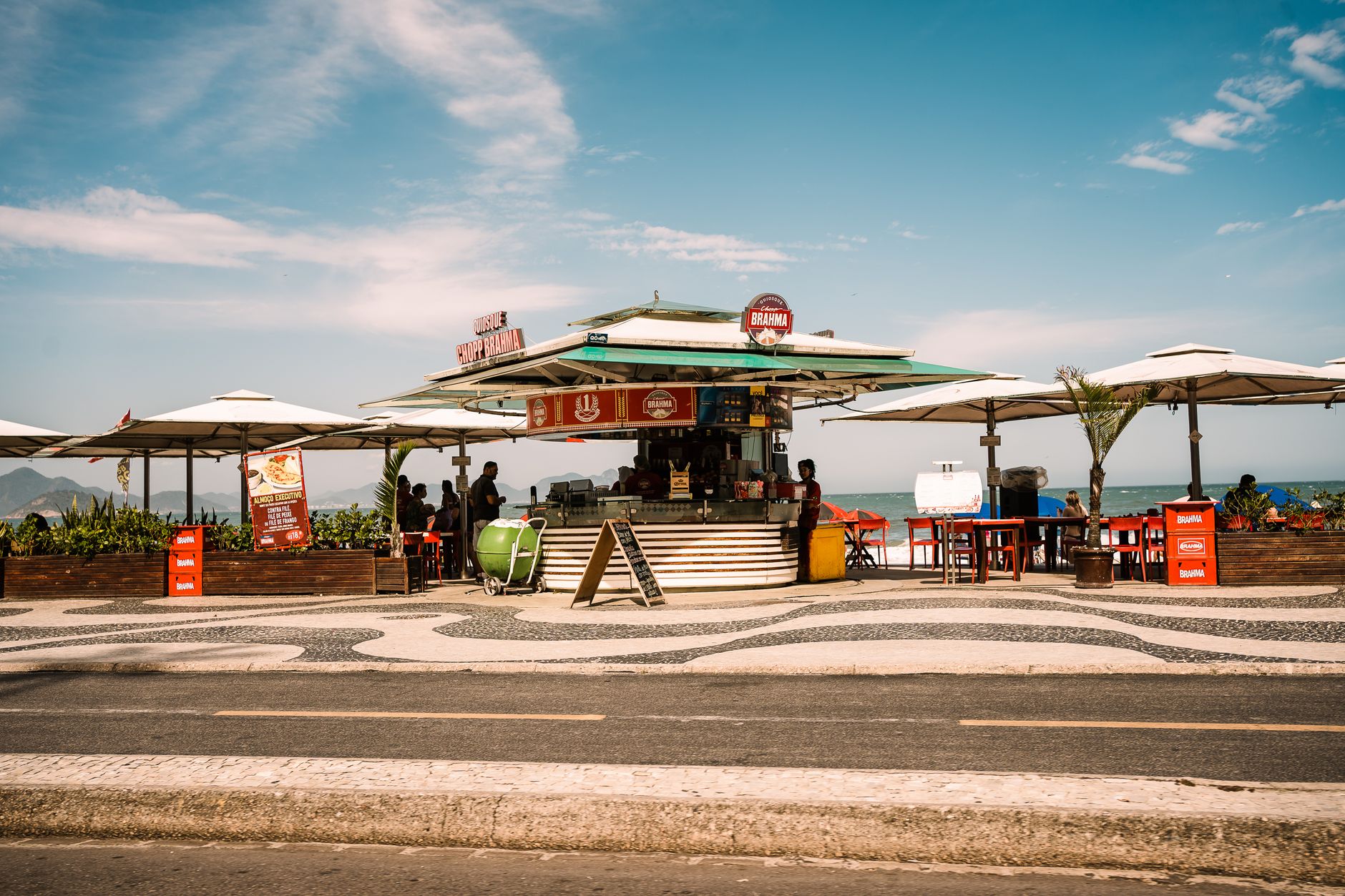
Currently, kiosks can take on new purposes, transforming into bars, restaurants or shops. This flexibility of use has allowed them to attract new audiences and adapt to the contemporary demands of the city.
The renewed interest in these spaces demonstrates that kiosks have once again become contested, revealing their potential for both commercial operators and the enhancement of urban public space.