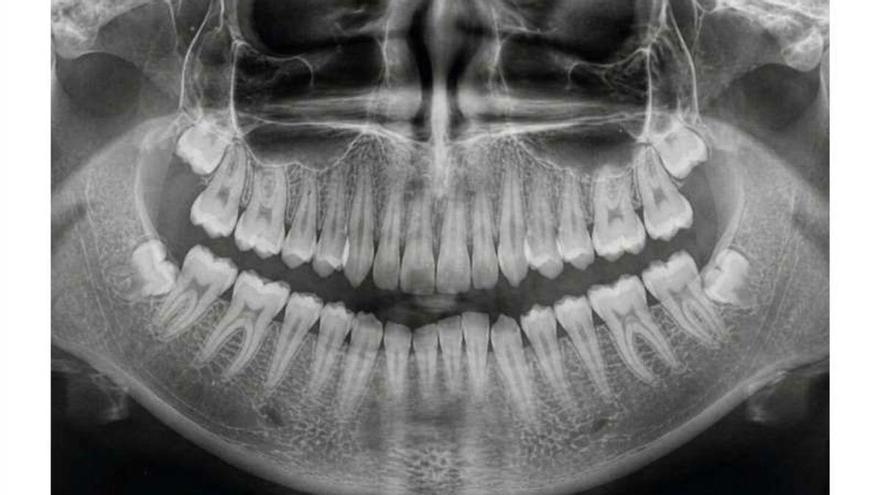
A "Nanobone" Biodegradable Allows the Body to Regenerate Bones Without Painful Grafts
ScienceVila Real

A "Nanobone" Biodegradable Allows the Body to Regenerate Bones Without Painful Grafts

El Periódico Mediterráneo - General4 September 2026 at 14:59

Researchers from the University of Sydney, in Australia, developed a biodegradable material called "nanobone" that allows the body to use its own healing properties to regenerate bones. This scientific breakthrough offers a possible future alternative to current procedures involving painful grafts and processes.

The new study was published in the scientific journal ACS Nano and summarizes the main advances achieved by the research team. The biodegradable material was designed to stimulate the natural bone regeneration of the organism, taking advantage of the intrinsic capacity of the body to heal itself.

This technology represents a significant shift in the approach to bone treatments, potentially eliminating the need for invasive and painful procedures associated with traditional grafts. The researchers hope this innovation will improve the quality of life of patients who need bone reconstruction.


Related articles

Science

1,500 Fossils of Animals and Tools Found at Neanderthal Camp in Burgos

Archaeologists discovered a Neanderthal camp in Burgos, Spain, where they found approximately 1,500 animal fossils and tools. Among the remains recovered are teeth and bone fragments from wild boar, horse, bison, cow, deer and red deer, revealing information about the diet and lifestyle of Neanderthals in the region.

CNN Portugal05/09/26, 08:46
Science

Young people learn and create ways to communicate science

Young students participate in a five-day program where they deepen their scientific knowledge and learn to create effective ways to communicate science to the general public, developing skills to translate complex concepts into accessible language.

Diário de Aveiro05/09/26, 08:30
Science

Social jetlag: sleeping more on weekends can increase anxiety in teenagers, new study shows

A new meta-analysis published in the journal Sleep Medicine Reviews found that teenagers between 12 and 18 years old who sleep more on weekends may have higher levels of anxiety. Analyzing data from more than 235,000 young people and eight studies on the topic, researchers identified a link between the so-called "social jetlag" — the discrepancy between the teenager's biological clock and the school routine — and anxiety symptoms such as worry and restlessness. The greater the difference between sleep schedules during the week and on weekends, the more likely young people are to report higher levels of anxiety, reinforcing the importance of sleep as one of the pillars of mental health in adolescence.

oglobo05/09/26, 08:30
Science

West Nile Fever: 'There is no concern regarding an epidemic,' says coordinator of Health Surveillance in SP

The state of São Paulo will include West Nile Fever on the arboviral panel to monitor the disease's distribution, according to the Health Surveillance Coordinator, who states there is no concern about an epidemic. The state confirmed its first two cases in history, in Ribeirão Preto and São José do Rio Preto. Two other cases were confirmed in Santa Catarina, one of which was fatal. West Nile Fever is transmitted by the Culex mosquito.

oglobo05/09/26, 08:30