Meet the three vulture species of PortugalPhoto by Rodrigo Fonseca on Pexels
ScienceAçores

Meet the three vulture species of Portugal

Wilder4 September 2026 at 13:31

Every year, on the first Saturday of September, International Vulture Day is celebrated. In Portugal there are three species of these necrophagous birds, which play an essential role in ecosystems by removing decomposing bodies from the fields that, otherwise, could contaminate water or transmit diseases. In the absence of vultures, opportunistic species such as rats or feral dogs would proliferate, bringing social and sanitary problems and altering ecological processes.

The cinereous vulture (Aegypius monachus) is the largest vulture in Europe, with a three-meter wingspan. Disappeared from Portugal in the 1970s, it returned to nest in the country in 2010. Currently it nests in five different locations, including the International Tagus, the Herdade da Contenda in Moura, the Malcata Nature Reserve, Vidigueira/Portel and the International Douro. The species is classified as Endangered in Portugal, due to threats such as power lines, chemical pesticides and prey contaminated with lead. A LIFE project launched in November 2022 aims to double the number of nesting pairs, with between 119 and 126 pairs recorded last year.

The griffon vulture (Gyps fulvus) is the most common species in Portugal, with at least 1200 pairs estimated on the mainland. This bird lives in colonies and is expanding in the country and in Europe. Its breeding population is concentrated in the northeast and in Beira Baixa/Alto Alentejo, with the largest colony in the country being at Portas do Ródão, with 101 confirmed pairs. It is present in Portugal throughout the year, but makes wide movements outside the breeding season.

The Egyptian vulture (Neophron percnopterus), also known as the scavenger, is the smallest of the Iberian vultures, with 65 centimeters and two kilos. It is classified as Endangered in Portugal and was named Bird of the Year 2016. It is present in the country from April to September to reproduce, spending the colder months in Africa. The European population has suffered a decline of about 50% in the last 40 years, with the main threats being reduced food availability, illegal use of poison, disturbance of nesting sites and collision with power lines. This bird can travel 80 kilometers per day in search of food and can cross the Strait of Gibraltar in just 20 minutes.

Related articles

Science

Study on plastics. Thousands of items associated with lobster fishing

A study identified the presence of marine litter, mainly plastic, on Porto Pim beach, on the island of Faial, in the Azores. The investigation revealed that thousands of items associated with lobster fishing traveled long distances, coming from the United States and Canada, to reach the Azorean archipelago.

RTP Notícias04/09/26, 14:30
Un lance inaudito: el oceanográfico vigués "Miguel Oliver" pesca decenas de ánforas romanas al sur de Formentera
Science

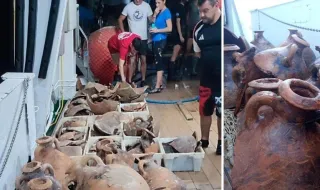
An unprecedented catch: the Vigo-based oceanographic vessel "Miguel Oliver" catches dozens of Roman amphorae south of Formentera

The oceanographic vessel "Miguel Oliver", based in Vigo and belonging to the General Secretariat for Fisheries, accidentally caught dozens of Roman amphorae south of Formentera during the MEDIAS campaign in the Mediterranean. This expedition, dedicated to assessing the biomass of the breeding stock of anchovies and sardines in the Mediterranean, took place last summer in its 18th edition. The ship, 70 meters long with a capacity for 45 crew members, was built in 2007 at the MCíes shipyard.

El Periódico Mediterráneo - General04/09/26, 14:25
Science

Never Have We Been So "Seen"? – A reflection on the place of psychology in a world in a hurry

This opinion article, written by a clinical psychologist on the occasion of Psychologist's Day, reflects on the current paradox of psychology: it has never been so sought after and so misunderstood, with clinical terms like trauma and burnout circulating freely in common vocabulary, often losing precision in the process. The author explores the tension between the promise of quick fixes and the need for time for true psychological change, questions the impact of media visibility and social media on the profession, and addresses the responsibility of psychologists with a public presence. She also highlights the effects of a tired society that consumes more than it creates and that rewards short content, warning of the risk of substituting genuine support tools with technological shortcuts that relieve symptoms without training capacities. She concludes affirming the value of the consulting room as a privileged space of presence, time, and welcoming, where true change continues to demand what it has always demanded.

Campeão das Províncias04/09/26, 14:13
Science

Is personality influenced by genetics? New study detects more than a thousand variants in genes linked to individuality and identity

A new study identified more than a thousand genetic variants associated with the so-called dimensions of human personality, known as the "Big Five": extraversion, agreeableness, conscientiousness, neuroticism, and openness to experience. These characteristics exist on a spectrum and tend to remain stable throughout adult life. Researchers have been working to decipher the specific pathways through which DNA influences personality traits, mapping this complex genetic architecture that contributes to each person's individuality and identity.

oglobo04/09/26, 14:02