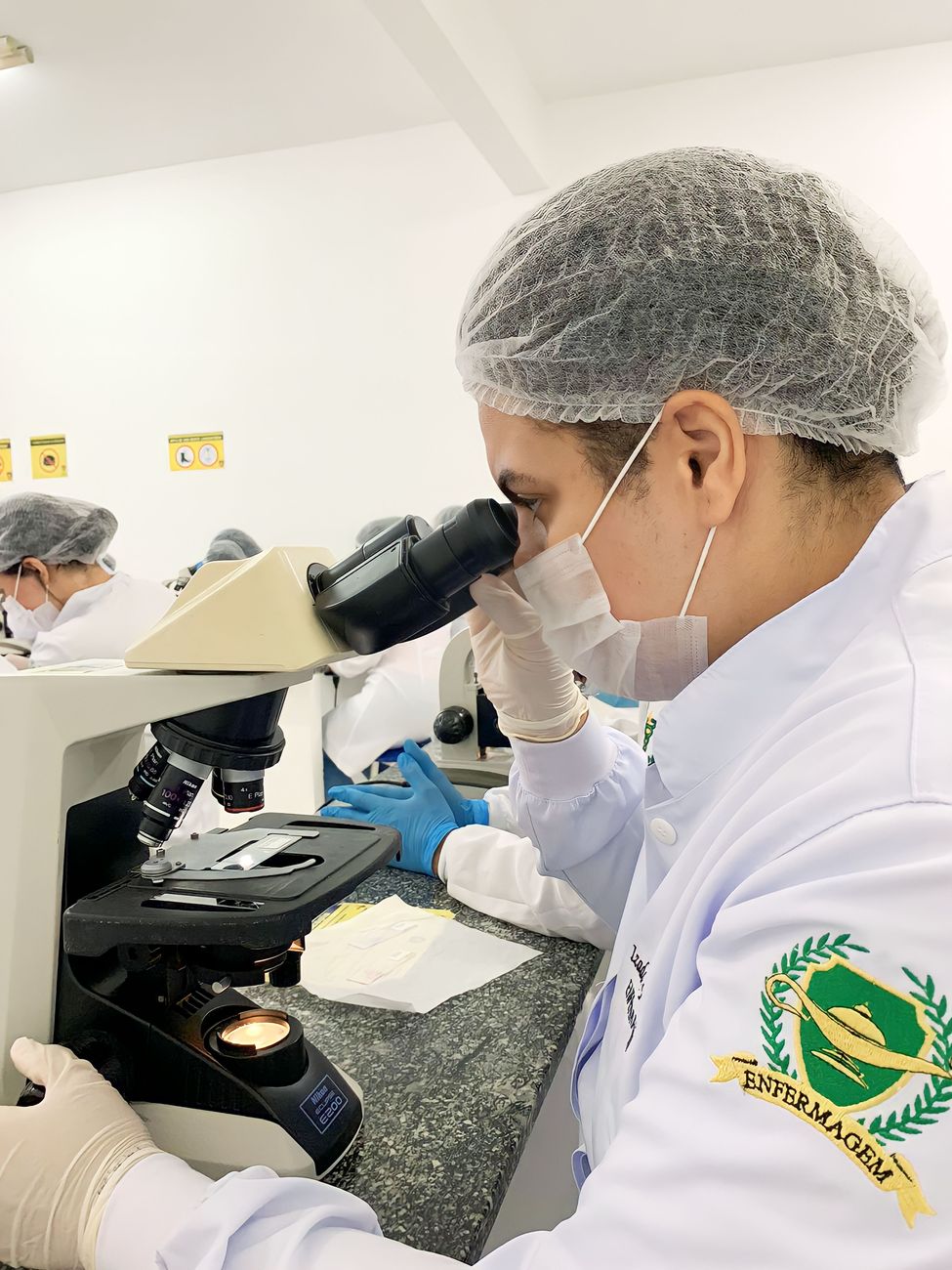
UC researchers successfully test therapeutic strategy for Machado-Joseph diseasePhoto by Izadora Araujo on Pexels
Science
Образование
Coimbra

UC researchers successfully test therapeutic strategy for Machado-Joseph disease

Jornal Económico3 September 2026 at 10:36

A team from the Center for Neuroscience and Cell Biology at the University of Coimbra (CNC-UC) and GeneT – Center of Excellence in Gene Therapy developed research that reveals new data for the development of therapeutic approaches for Machado-Joseph disease. This genetic and hereditary neurodegenerative disease primarily affects the Azores, particularly the island of Flores where it affects one in every 140 to 239 adults, and also the central region of the country.

The team used extracellular vesicles, small particles secreted by cells, as a delivery vehicle for the CRISPR-Cas9 system to the brain. This system works as genetic editing "scissors" and was directed to neurons, achieving the inactivation of the mutant ATXN3 gene, which in Machado-Joseph disease is altered by excessive repetitions of CAG chains in the genetic code.

Kevin Leandro, researcher at CNC-UC and first author of the study, explained that the objective was to understand if it would be possible to use extracellular vesicles for a transient exposure to the genetic editing machinery, minimizing unwanted edits. This approach overcomes limitations of conventional viral vectors, ensuring lower immune response, greater encapsulation capacity, and transient expression of the genetic editing tools. The scientists also developed a light-controlled release system using a photocleavable protein.

This is one of the first studies internationally to demonstrate the effectiveness of this approach with extracellular vesicles in the context of Machado-Joseph disease, also known as spinocerebellar ataxia type 3. The disease causes progressive impairment of motor function, speech, swallowing, and fine motor skills, although patients preserve cognitive and intellectual functions.

Related articles

La proteína osteopontina, una nueva vía para mejorar los tratamientos en cáncer de mama
Science

The osteopontin protein, a new pathway to improve breast cancer treatments

The Breast Cancer Clinical Research Unit at the Centro Nacional de Investigaciones Oncológicas (CNIO) identified a new therapeutic target involved in cancer in mice: the osteopontin protein. This discovery opens a pathway to improve antiangiogenic treatments, medications that prevent the creation of new blood vessels that tumors need to nourish themselves and grow. Additionally, acting against osteopontin could also enhance immunotherapy.

El Periódico Mediterráneo - General03/09/26, 11:30
Freira-da-madeira mantém-se estável após ameaça de 2024
Science

Madeiran petrel remains stable after 2024 threat

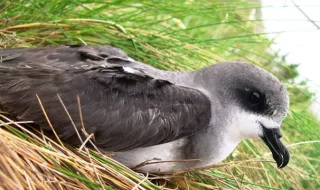
The Madeiran petrel population, an endemic seabird from Madeira at risk of extinction, remained stable after the 2024 fire that threatened its nesting area. The Institute of Forests and Nature Conservation revealed that when the fire threatened the main nesting zone, five juvenile birds were rescued from their nests and translocated to the Wildlife Bird Recovery Center for care.

dnoticias.pt03/09/26, 11:19
PINHEL: Museu do Côa promove ciclo de workshops sobre linguagem inclusiva
Science

PINHEL: Côa Museum promotes cycle of workshops on inclusive language

The Côa Museum Centro Ciência Viva promotes throughout September a cycle of workshops called "Words Matter", aimed at families of the municipalities integrated in the area of the Côa Valley Archaeological Park. The initiative aims to create a space for reflection and sharing about the role of inclusive language, raising awareness among participants about the importance of words in building more accessible and welcoming communication.

SAPO Notícias03/09/26, 11:18
Science

Are the holidays over? 7 tips to return to work without losing your mind

Returning to work after vacation can generate anxiety, irritability, sadness, and difficulty concentrating. This article presents seven tips to facilitate the transition back to professional routine, including gradual task organization, maintaining a consistent sleep routine, setting realistic goals, and practicing physical activity. The text also suggests stress management techniques and the importance of maintaining open communication with colleagues and superiors during this adaptation period.

Notícias de Coimbra03/09/26, 11:06