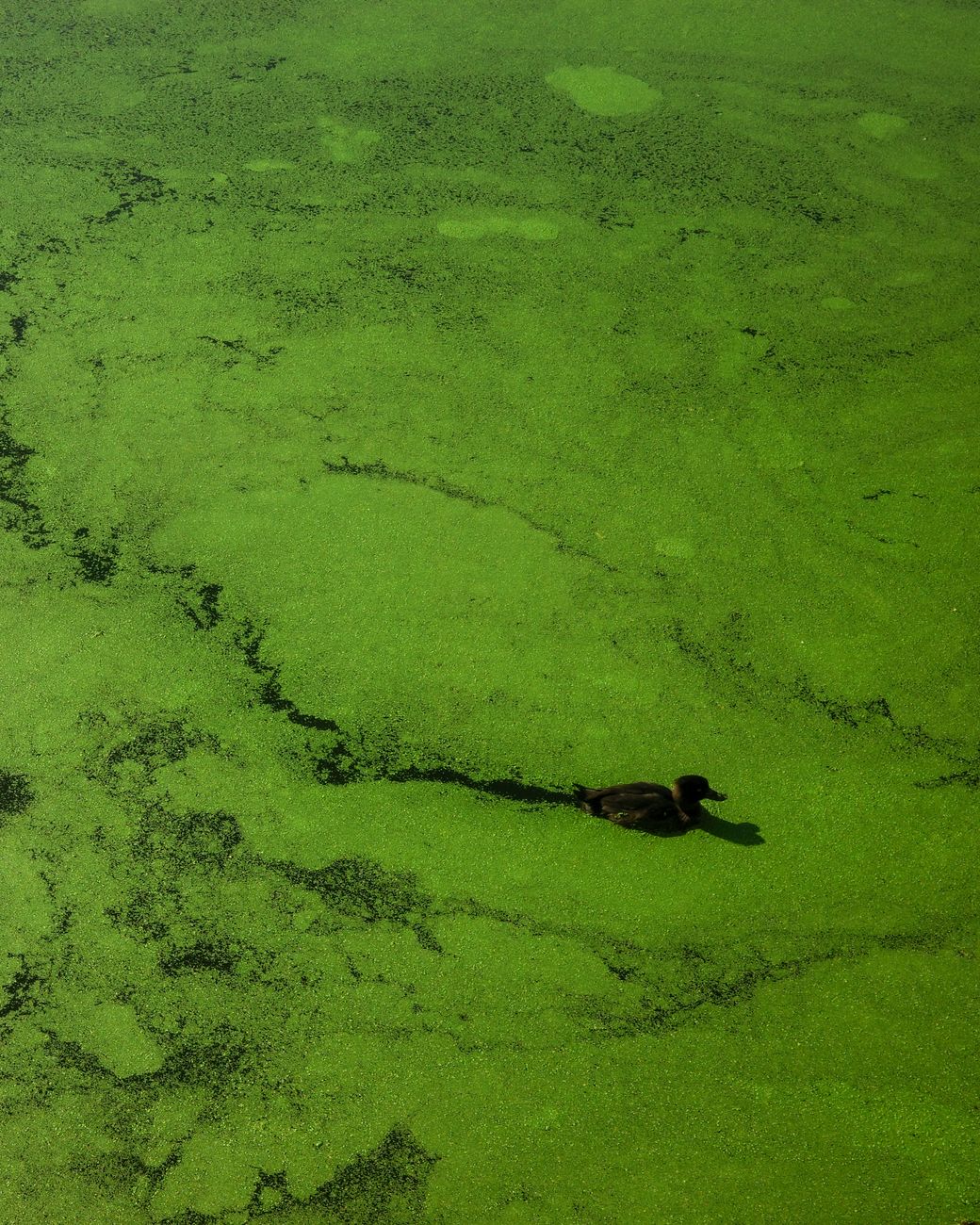
Invasive algae already occupies seabeds up to 12 meters deep on the Alentejo CoastPhoto by Cameron Knott on Pexels
Science
Транспорт
Инвестиции
Évora

Invasive algae already occupies seabeds up to 12 meters deep on the Alentejo Coast

Alentrium2 September 2026 at 17:41

The invasive algae Rugulopteryx okamurae is occupying extensive areas of the seabeds on the Alentejo Coast, in a strip that extends between Melides, in the municipality of Grândola, and Azenha do Mar, in Odemira. In some areas, the species is already disseminated up to 12 meters deep, with São Torpes and Pessegueiro Island, in the municipality of Sines, among the most affected areas.

Joaquim Parrinha, researcher at the University of Coimbra and the Marine and Environmental Sciences Centre (MARE), warned of the strong expansion of the species in the last two to three years. The algae was detected about a decade ago at Sines Port Marina, but the most significant change occurred recently. "With the increase in water temperature, an exponential 'boom' was noted in all areas up to 12 meters deep," the researcher told the Lus news agency, adding that, in the shallower areas, "everything is occupied" by the invasive species.

Rugulopteryx okamurae forms dense concentrations on the seabed, occupying space used by local marine communities and limiting the development of native species. The high density of the algae can reduce the passage of light and the availability of oxygen near the seabed, affecting coralline algae, wracks, kelp and caulerpa. "The forest that this algae creates, while not lacking beauty, is not natural for native species and considerably harms their development," explained Joaquim Parrinha.

Portugal has had, since July 2025, a National Strategy for the Management of the Invasive Macroalgae Rugulopteryx okamurae, approved by Order no. 270-A/2025/1. The strategy provides for monitoring of expansion, mechanical removal in critical areas and study of ways to valorize the collected biomass. The researcher advocates for the removal of biomass accumulated on beaches and possible agricultural uses, after salt treatment, as well as interventions in the marine environment to free the rocky surfaces needed by local algae.


Related articles

La 'era Ozempic' no mata las dietas: septiembre dispara hasta un 40% las consultas para perder peso
Science

The 'Ozempic era' hasn't killed diets: September sees up to 40% spike in weight loss consultations

In September, with the return to routines after summer, interest in losing weight surges, with an increase of up to 40% in nutrition consultations. Despite the popularization of weight-loss medications from the "Ozempic era," nutritionists continue to note significant demand for popular diets and healthier eating habits among patients who return with the goal of shedding the pounds gained during summer vacation.

El Periódico Mediterráneo - General02/09/26, 20:10
Science

Testosterone levels can decrease with age: 7 habits a urologist recommends to take care of it

The article addresses the natural decrease in testosterone levels with male aging and presents seven habits recommended by urologist Guillermo Romero to maintain hormonal health, including physical exercise, weight control, proper nutrition, rest and stress management, as alternatives to drug treatments.

oglobo02/09/26, 19:57
A DGS esclarece as dúvidas sobre a campanha de imunização 2026/2027 contra a in…
Science

DGS clarifies doubts about the 2026/2027 immunization campaign against RSV in pediatric age

The Directorate-General for Health clarified the main doubts about the 2026/2027 immunization campaign against Respiratory Syncytial Virus in pediatric age, which begins on September 16. The vaccination will be carried out in maternity hospitals from the public, private, and social sectors for children born from that date, and also in primary healthcare and hospitals.

SAPO Notícias02/09/26, 19:35
Science

GLP-1 based medication shows ability to delay aging in mice

A scientific study discovered that semaglutide, a GLP-1 based medication already used in the treatment of diabetes and obesity, demonstrated the ability to delay aging in mice. The elderly animals that received the medication showed not only an increase in life expectancy, but also significant improvements in physical, metabolic, and cognitive functions, suggesting an anti-aging potential of the compound.

Público02/09/26, 19:30