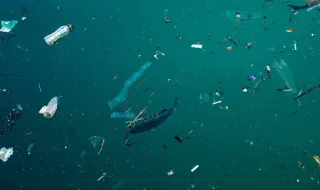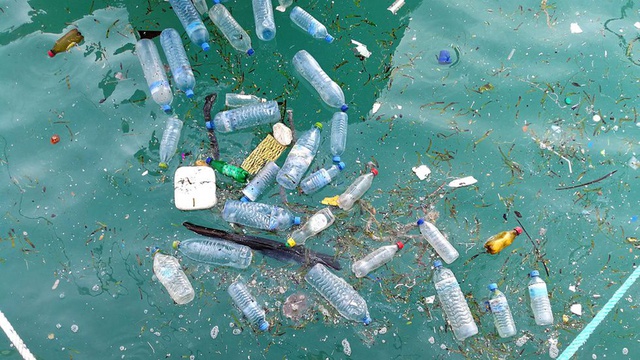
A study conducted by the Ocean Research Institute of Marine Sciences Okeanos, from the University of the Azores, identified plastic marine litter in the coastal zones of two islands of the archipelago. This marine litter comes mainly from fishing activity.
The detected materials were traced back to their origin, and it was possible to determine that a significant part of the litter comes from the United States and Canada. This identification was possible through the marks and identification codes present on the fishing-associated materials.
According to the researcher cited in the study, fishing materials with marks or identification codes represent a unique opportunity to establish a connection between the waste found on the Azorean coasts and the regions and activities that gave rise to it. This methodology allows tracking the geographic origin of the marine litter found in the region.
The study demonstrates how marine litter can travel long distances through ocean currents, reaching coastal zones far removed from the places where it was initially abandoned or lost.