The disappearance of the waters of Loughareema lake is a (still) unexplained phenomenon for scientistsPhoto by Thomas Ferreira on Pexels
ScienceLeiria

The disappearance of the waters of Loughareema lake is a (still) unexplained phenomenon for scientists

Meteored Portugal2 September 2026 at 08:04

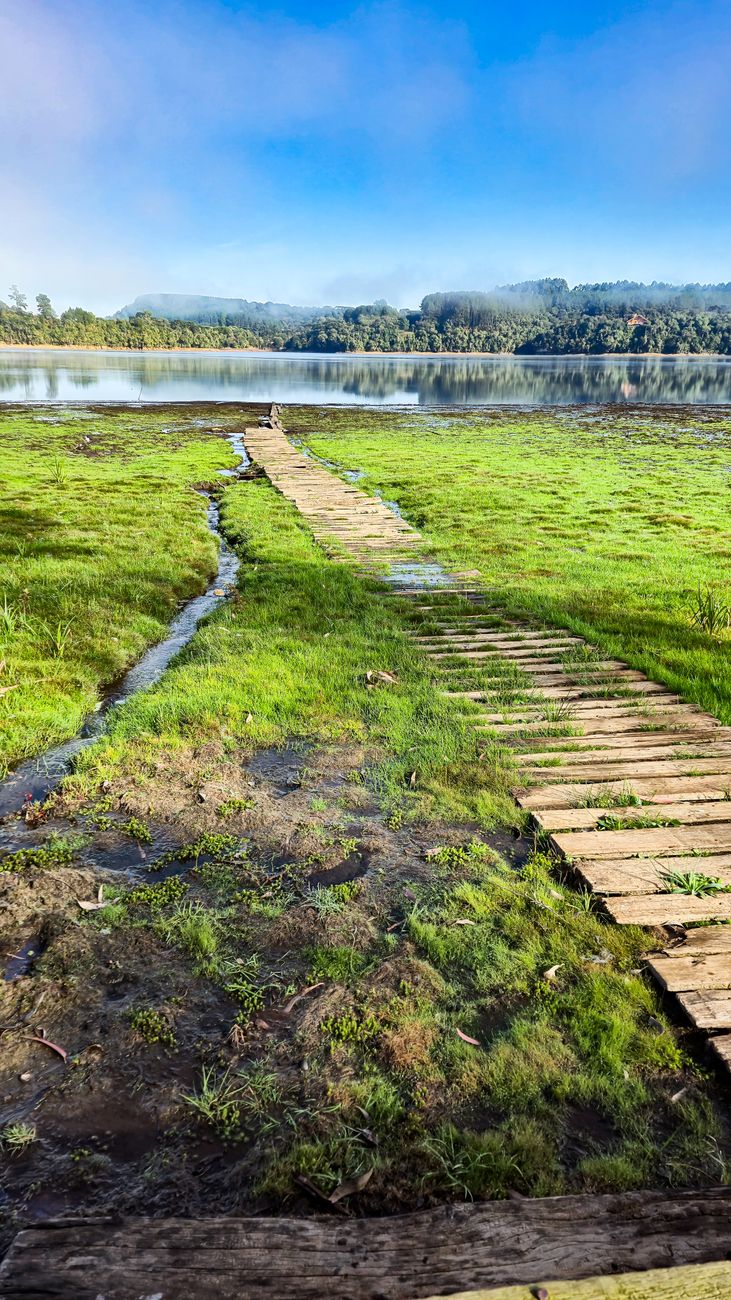
Loughareema lake, located in County Antrim, in Northern Ireland, is a natural phenomenon that intrigues scientists and visitors alike. This lake can be overflowing with water in the morning and completely empty just a few hours later, covered only by a muddy bed. Popularly known as "The Vanishing Lake," its unpredictability makes it impossible to know what it will look like upon arrival.

Scientists have identified the existence of an underground drainage system beneath the lake, but they still do not fully understand how it works. It is this system that allows the water to disappear so mysteriously and quickly, without the phenomenon being fully explained.

The region where the lake is located is surrounded by wet marshes and difficult access routes, frequently enveloped in dense fog. This desolate and haunted landscape drives away most visitors, making the site an unpopular destination for hiking or picnics. For local inhabitants, Loughareema is considered haunted and desolate territory.

Related articles

Los neurólogos denuncian el "limitado" acceso de los pacientes españoles a los nuevos (y mejores) fármacos para la migraña: "Aumenta el sufrimiento"
Science

Neurologists denounce the "limited" access of Spanish patients to new (and better) migraine drugs: "It increases suffering"

The Spanish Society of Neurology (SEN), the Spanish Association of Migraine and Headache (AEMICE) and the Spanish Headache Foundation (FECEF) warn about the difficulties that exist in Spain for people with migraine — six million in the country — to access anti-CGRP medications, considered currently the most effective and safe preventive treatment by all neurology societies worldwide, due to the current restrictions for their prescription, which increases patient suffering.

El Periódico Mediterráneo - General02/09/26, 09:47
Science

Invasive species in Portuguese waters rise to 231

The Portuguese scientific community has updated for the first time since 2015 the national inventory of non-indigenous marine species, which now includes 231 confirmed species in mainland Portugal, the Azores and Madeira, including five species never before recorded in the country. The study, published in the journal Marine Pollution Bulletin, involved the collaboration of 31 researchers from 11 Portuguese universities and three public entities.

PT Jornal02/09/26, 09:19
'Efecto septiembre': los podólogos alertan del aumento de lesiones infantiles por la vuelta al colegio y el deporte
Science

'September effect': podiatrists warn of the increase in children's injuries due to the return to school and sports

Podiatrists from the Ilustrious Official College of Podiatry of the Valencian Community warn that the return to sports activities in September, after weeks of vacation with less physical activity, causes an increase in acute and overuse injuries in children and adolescents. The abrupt restart of high-intensity training without adequate physical conditioning favors these injuries at the beginning of the school year.

El Periódico Mediterráneo - General02/09/26, 09:09
Ni perro, ni lobo: nuevo vuelco a los orígenes del ‘tigre de Tasmania’; era pariente del canguro
Science

Neither dog nor wolf: new twist to the origins of the 'Tasmanian tiger'; it was a relative of the kangaroo

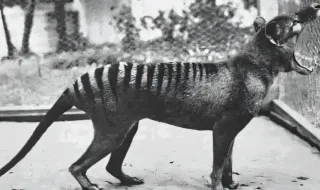
A new scientific study revealed that the Australian thylacine, better known as the "Tasmanian tiger," was totally different from the wolves and wild dogs with which it was previously compared. The research showed that this native predator, extinct due to humans, was actually a close relative of the kangaroo, challenging previous assumptions about its classification and evolution.

El Periódico Mediterráneo - General02/09/26, 09:09