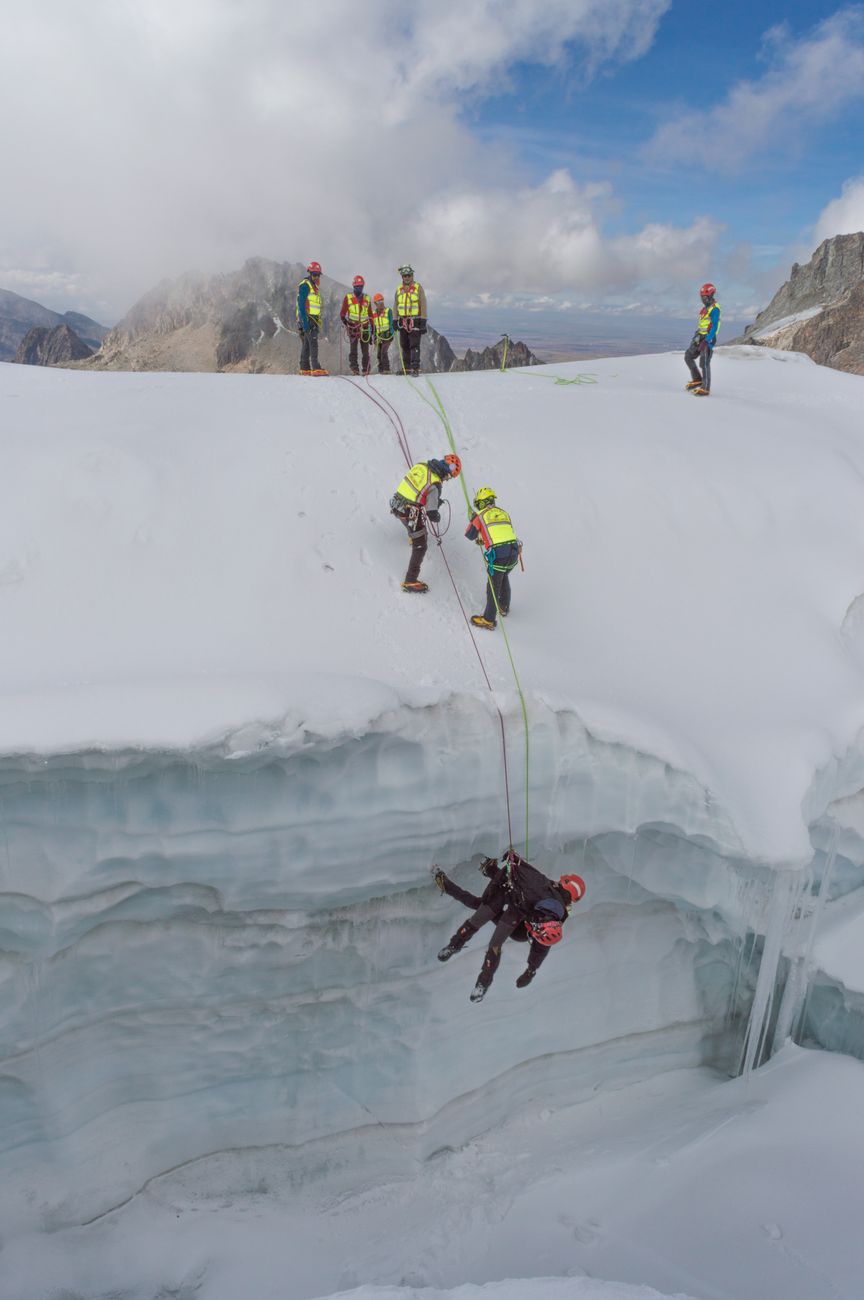
A new study points out that human activity at the base camp of Mount Everest is accelerating the melting of the Khumbu glacier, one of the most important in the Himalayas. According to research published in June in the Springer Nature Link journal, approximately 6,000 liters of urine are produced daily at the site during the climbing season.
The researchers estimate that, over a spring, human urine is responsible for approximately 154 tons of glacier melting. The base camp has become a heat source that contributes to localized warming of the region.
The study analyzed fuel data and satellite images between 1991 and 2023. In 2023, approximately 1,600 tents consumed 824 liquefied gas cylinders, evidencing the growing human presence in the area. The New York Times newspaper published an investigative report on the research.