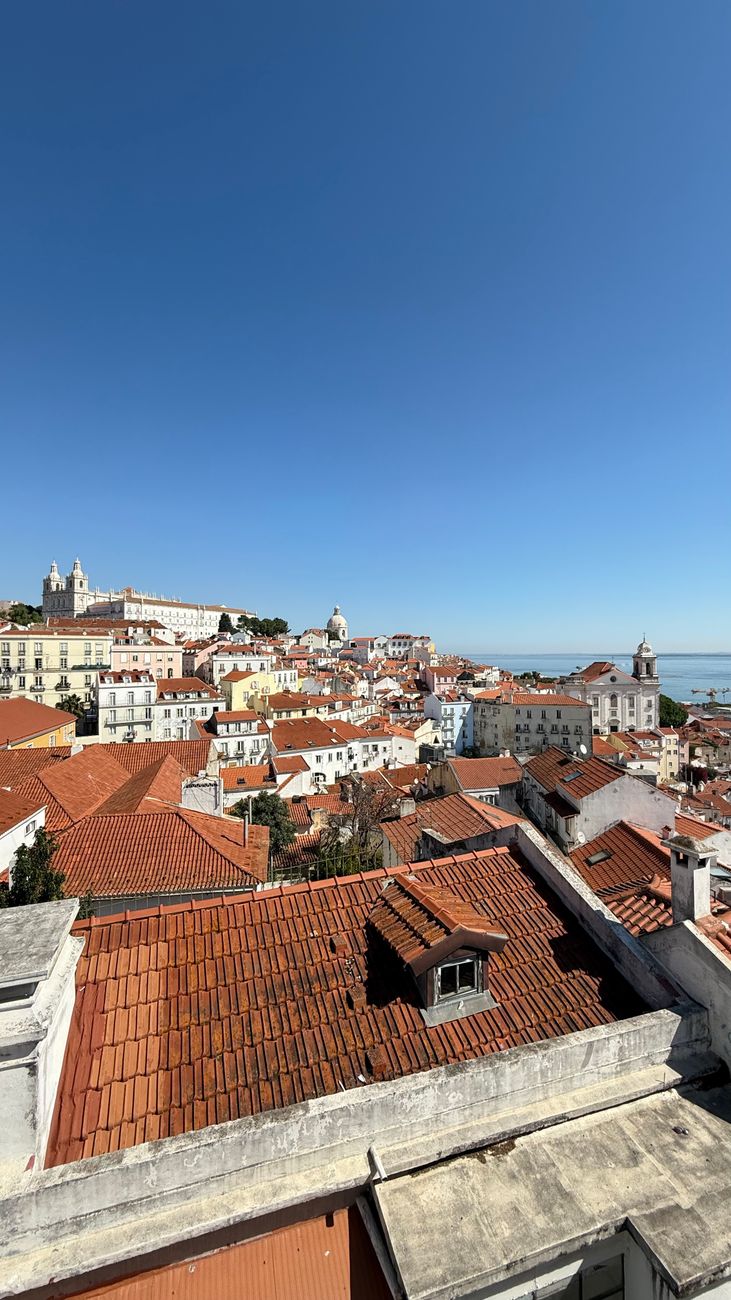
For many years, Portugal achieved the goal of establishing itself as a premier tourist destination, today recognized for the quality of its offering, safety, heritage, gastronomy, climate, and hospitality. However, success brings new challenges: the biggest challenge for Portuguese tourism may no longer be attracting more visitors, but rather ensuring that the country remains a good place to live.
Tourism is an essential activity for the national economy, creating jobs, revitalizing businesses, restoring heritage, and promoting territories. The central question raised in the article is how to ensure that tourism growth creates value without compromising the quality of life of the communities that make each destination unique.
The article argues that tourism sustainability needs to go beyond the environmental dimension and begin to include social sustainability. This involves thinking about mobility, housing, land planning, destination carrying capacity, promotion of local commerce, and distribution of tourist flows across different regions and seasons. It also calls for the involvement of residents in decisions about tourism development and the need to measure success not only by the number of visitors, but also by the benefit that local communities feel.
The article concludes that the future of Portuguese tourism will depend on the ability to find a balance between the need for tourists and the maintenance of lively cities, strong communities, and territories where people want to continue living. As João Paulo Rodrigues, director of the Tourism Degree at Universidade Europeia, states, there are no great tourist destinations without communities that are proud to call them home.