The article argues that culture should be treated as an economic productive sector, not merely as a social expense. UNESCO data indicates that cultural industries represent 3.1% of global GDP and 6.2% of global employment. In the European Union, there were 2.03 million cultural enterprises in 2022, generating approximately 503 billion euros in turnover. However, Portugal has the lowest relative weight of culture in Gross Value Added among the six Member States with comparable data, with only 2.3% in 2020, revealing an underfunded sector excessively dependent on uncertain public subsidies.
Loulé emerges as an exemplary case of this transformation. After more than two decades of treating culture as a structural investment, the municipality has built a Municipal Culture Strategy with a horizon to 2034 and has applied for the city to become the Portuguese Capital of Culture 2028. The municipality involved over a thousand residents and fifteen citizen laboratory sessions in building the strategy, tripling support for cultural associations, from 18 to 44 associations supported between 2013 and 2025, with municipal investment growing from 164,600 to 884,095 euros in the same period.
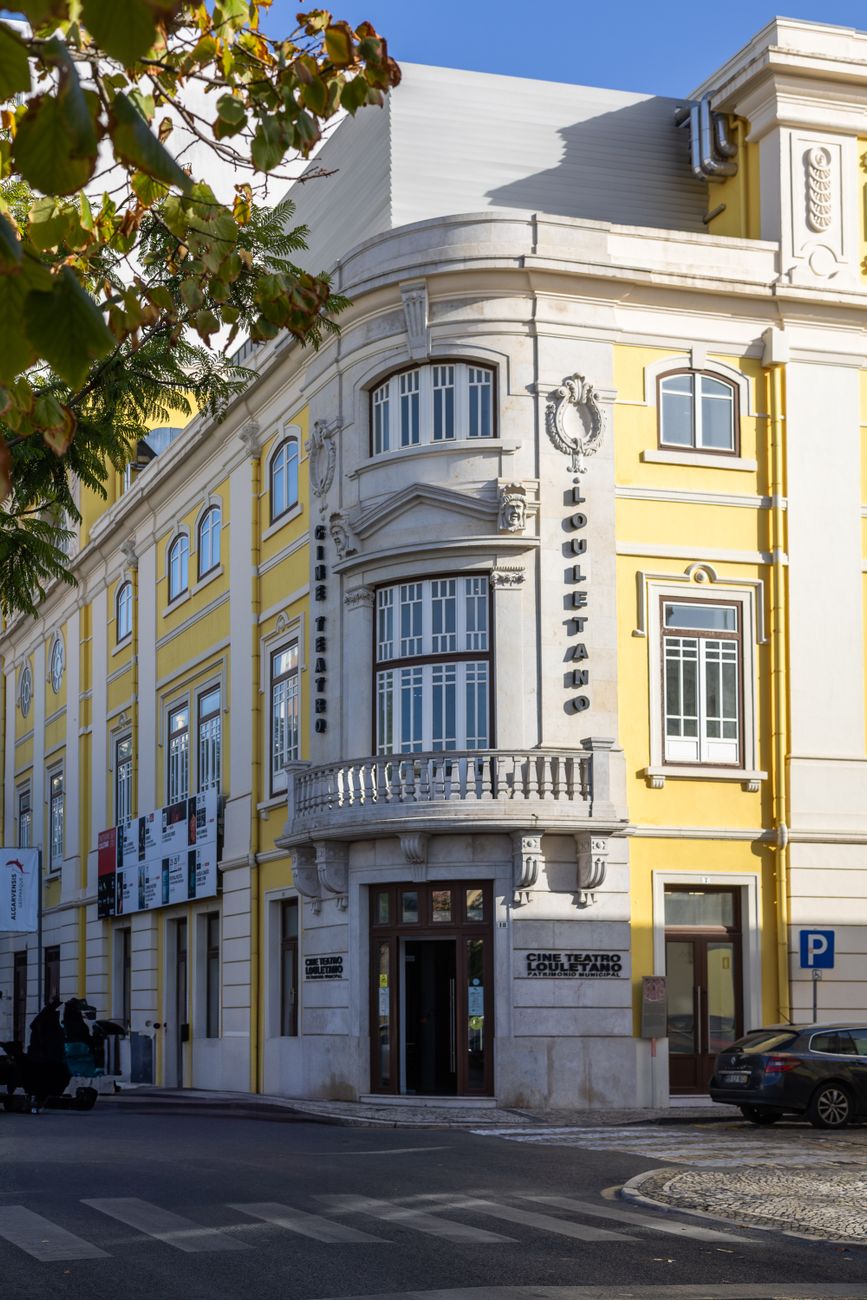
Loulé's strategy is based on three complementary dimensions. From a human perspective, municipal cultural facilities received over 365,000 visits and developed approximately 1,200 cultural mediation actions in 2025. From a territorial perspective, it bets on a network distributed throughout the municipality, from the Cineteatro Louletano to the future Arts Centre, including the rehabilitation of Casino Velho in Quarteira and poles in the interior, linked to the Algarvensis Geopark. From an economic perspective, the Loulé Criativo programme supports artisans and small cultural entrepreneurs in professionalisation and internationalisation.
The impact assessment of the application for Portuguese Capital of Culture 2028, involving a planned municipal investment of seven million euros between 2027 and 2030, was entrusted to the Faculty of Economics of the University of Algarve, in partnership with CinTurs, to rigorously measure the effects on employment and regional creative economy. More than half of visitors to municipal cultural facilities are already foreigners, making culture an international gateway to the territory.