All news
Politics
Business
Technology
Incidents
Sports
Weather
Science
Entertainment
World
Real Estate
AI News
Spain has debt 'rating' similar to Portugal's, but finances itself at lower costs
Business

Spain has debt 'rating' similar to Portugal's, but finances itself at lower costs

Expresso15 September 2026 at 07:15

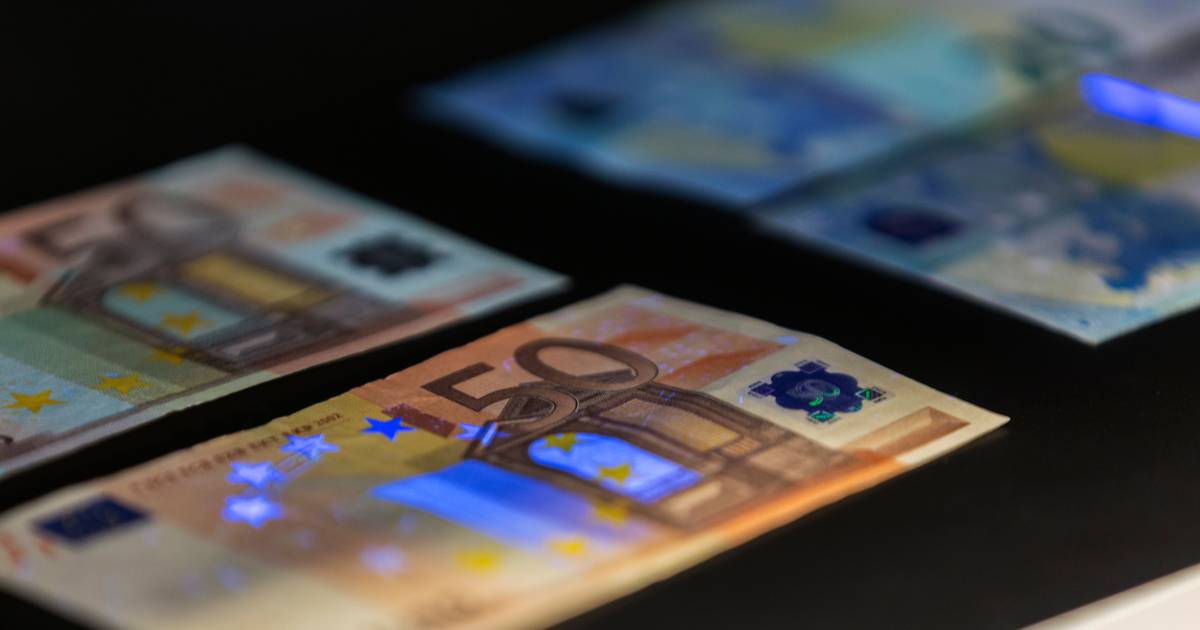
This month, the financial rating agency Fitch raised Portugal's rating to A+, while maintaining Spain's rating at a lower level, at A. However, another rating agency, Scope, took a different position by raising the Spanish debt classification to A+, placing it above Portugal's.

The rating profile of both economies is considered similar by specialists, which means that both Portugal and Spain are seen as countries with comparable credit risk levels. Despite this similarity in assessment, the Madrid Treasury still manages to finance itself at lower costs, paying lower interest on its debt issuances.

The specialists quoted in the article attempt to explain this apparent contradiction between similar ratings and different financing costs. The difference in interest paid by the two sovereign countries does not depend only on the ratings assigned by the agencies, but also on other market factors that influence investors' perception.

Why this matters

Portuguese readers closely follow comparisons with Spain, their main trading partner and Iberian neighbor. The difference in financing costs, even with similar ratings, can impact interest rates practiced in Portugal and the country's economic competitiveness. The article follows the update of Portugal's rating by Fitch and the rise of Spain's rating by Scope, creating this apparent contradiction between ratings and issuance costs.

About this summary

This is our short summary of a report published by Expresso on 15 September 2026 at 07:15; the full text stays with the publisher. In our feed it sits under Business. We currently carry 22930 items in that section.

All items in this section →
Source

Related articles

Business

Electronic money has almost four times more accounts than banking in Mozambique

Electronic money accounts in Mozambique reached in the second quarter of 2026 the equivalent of 130.9 per 100 adults, almost four times more than traditional bank accounts, according to data from the Bank of Mozambique. This data reflects the rapid adoption of digital financial services in the country, driven by the expansion of mobile wallets and the greater accessibility these services offer to the population, especially in areas where traditional banking infrastructure is limited.

RTP Notícias15/09/26, 08:00
Business

Diageo launches anti-fraud seal one year after methanol crisis

Diageo, a global alcoholic beverage manufacturer, is launching the Drink Seguro Seal, an anti-fraud seal with artificial intelligence that offers 99.99% security against counterfeiting, one year after the methanol crisis in Brazil that caused at least 22 deaths and nearly 80 poisonings in five states. According to Diageo's president in Brazil, the seal is an additional layer of protection so that consumers can verify the legal origin and safety of the product, without replacing the quality controls already adopted in the operation.

oglobo15/09/26, 08:00
Business

Government's veto on Tapajós River dredging puts grain flow in Brazil's North at risk amid El Niño

Lula government's veto on Tapajós River maintenance dredging may interrupt waterway navigability, causing up to R$ 850 million in losses in soy and corn exports, in addition to harming local populations' circulation, amid the prospect of a strong El Niño this year.

oglobo15/09/26, 08:00
Business

Meo's CEO and 16 other leaders call for amendment of the Digital Networks and Cybersecurity laws

Seventeen European telecommunications executives, including Meo CEO Ana Figueiredo, sent a letter to European institutions calling for corrections to the Digital Networks and Cybersecurity laws, warning that equipment removal requirements could cost the sector up to 40 billion euros. The leaders argue that Europe needs 475 billion euros to achieve world-class networks and that operators contribute 5% of European GDP, investing 64 billion euros annually. The letter calls for a proportionate and risk-based approach to cybersecurity policies, rather than broad restrictions that could compromise investments in fiber, 5G and 6G.

Jornal Económico15/09/26, 07:58