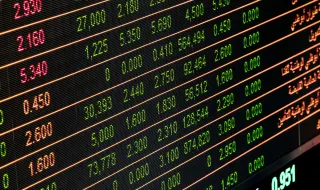
Markets entered this Tuesday under strong pressure, with oil prices surpassing 105 dollars for Brent and 102 dollars for WTI, while US and German 10-year sovereign bond yields hit highs of 2007 and 2009, respectively. Brent closed Monday up 1.02% at 105.68 dollars, driven by the closure of a major Saudi pipeline after a drone attack from Iraq. This pipeline, which can transport around seven million barrels per day, is crucial for bypassing the Strait of Hormuz blockade.
On Monday, Donald Trump announced that Ukraine and Russia agreed to stop attacking each other's energy infrastructure, in a message on Truth Social where he argued that the diesel price increase is mainly due to the war between the two countries. New York Stock Exchange indices closed lower, with the S&P 500 down 0.48% to 7,619.98 points, the Dow Jones falling 0.29% to 52,421.20 points, and the Nasdaq Composite down 0.56% to 26,186.41 points. In Europe, the major markets also closed lower, dragged down by the technology sector and artificial intelligence companies.
Investors are focused on the US Federal Reserve's decision on Wednesday, with an 87% to 93% probability of a 25 basis point rate hike. The ECB had already raised rates last week to 2.5% and the market is also awaiting the Bank of England's meeting on Thursday. This Tuesday, important economic data will be released, including the New York Empire State manufacturing index, which is expected to fall to 14.8, revealing a slowdown in industrial activity, in addition to Chinese data on industrial output and retail sales for August.
Citigroup announced that it expects tangible return on equity above 11% this year and plans to increase its share buyback volume. Conflicts in the Middle East continue to represent the greatest threat to the world economy, with the political impasse between the United States and Iran keeping oil prices artificially high and fueling inflation concerns. Sentiment for this week should be cautious, with risk of stock