The Serrana Region of Rio de Janeiro, known for its mild climate and tourist destinations like Petrópolis, Teresópolis, and Nova Friburgo, is home to distinct economic realities. While the larger cities concentrate industrial activities, commerce, and services, the smaller ones maintain a strong connection to rural areas. The region faces challenges that cross territorial and political boundaries.
One of the most longstanding problems in the region is flood and landslide prevention, which gained greater importance after successive tragedies caused by rains. In 2011, the Serra recorded the country's largest natural disaster, with approximately one thousand dead. In 2022 alone, Petrópolis recorded 242 deaths resulting from flooding.
Despite the promises made after these tragedies, disaster prevention has not advanced significantly. The distribution of health services is also a sensitive issue in the region, which is made up of municipalities of very different sizes and marked by the displacement of residents seeking care in larger cities.
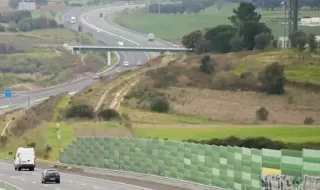
Mobility is another strategic issue faced by the Serrana Region. Unlike the Metropolitan Region of Rio, the transportation infrastructure and access between the mountainous municipalities presents limitations that hinder the population's movement and the economic development of the area.