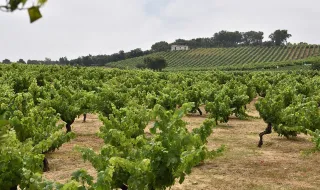
The agricultural harvest in Beira Baixa faces a prolonged drought that forced farmers in the region, which extends from Castelo Branco to the foot of Gardunha, to drastically change their traditional practices. The date referenced in the article is September 13, 2026, and producers abandoned deep tillage that exposed the subsoil to the sun, now only scratching the surface crust to retain residual moisture. Mulching with straw on raised beds reduces evaporation by more than 30%, while direct sowings are postponed until the soil cools down, using seedlings in trays instead.
The Cova da Beira and Idanha reservoirs impose consumption limits that tolerate no waste, and cleaning the channels and checking drip irrigation tapes have become urgent tasks. Farmers are prioritizing short-cycle certified seeds over late varieties, splitting base fertilization to prevent nitrogen fertilizer from burning roots in dry soil, and concentrating irrigation in the early morning hours to avoid hard crust formation. Those with artesian wells face water flow reductions that require short nighttime irrigation cycles.
Sheep and goat breeders face rising costs of concentrated feeds and a decline in milk production destined for regional cheese. The strategy involves sowing mixtures of oats with vetch or blue lupin to ensure hay during winter, mineral supplementation for ewes in late gestation, and regular sanitary control of watering trough water. A municipal veterinarian warned that livestock cannot be allowed to deteriorate.
The continuous decline of groundwater in the border valleys puts at risk the vegetable gardens and the sustainability of traditional terraced olive groves, where olives are beginning to shrink due to lack of sap. The community response includes sharing irrigation schedules among neighbors, rotating grazing with electrified mobile fencing, and waterproofing ponds with liners or compacted clay before autumn.