All news
Politics
Business
Technology
Incidents
Sports
Weather
Science
Entertainment
World
Real Estate
AI News
The chihuahua has coyote DNA. Their temperament explained
Science
Education
Investments

The chihuahua has coyote DNA. Their temperament explained

ZAP Notícias13 September 2026 at 09:00

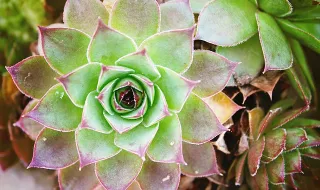
The chihuahua, one of the smallest dog breeds in the world, has wild coyote DNA. This discovery may help explain the fame this breed has of being "small but brave". The breed originated in Mexico and is today a popular canine companion worldwide.

The coyote genes may have entered the chihuahua's ancestors in two possible ways: by accident or through deliberate attempts to crossbreed the two animals, perhaps many generations ago. This information was shared by Jacqueline Boyd, a professor at Nottingham Trent University, in an article published in The Conversation.

Coyotes are a species of canid native to North America, and the possibility of crossbreeding between coyotes and ancestors of chihuahuas raises interesting questions about the genetic history of this Mexican breed. The mixing of DNA may have contributed to the distinct behavioral characteristics that make chihuahuas known for their courage disproportionate to their size.
Why this matters

This article is of interest to Portuguese readers who own chihuahuas or are dog enthusiasts, offering a scientific explanation for behaviors that many owners observe in their animals. The research demonstrates that genetics can influence personality traits, expanding knowledge about the relationship between DNA and animal behavior.

About this summary

This is our short summary of a report published by ZAP Notícias on 13 September 2026 at 09:00; the full text stays with the publisher. In our feed it sits under Science. We currently carry 4501 items in that section.

All items in this section →
Source

Related articles

Science

Can sitting in the same place always say something about your personality? Find out

The recurring choice of the same seat to sit — with family, at work, or among friends — can reveal psychological needs such as the search for familiarity, control, and territoriality. The occupied position can also reflect the person's social role in the group: sitting at the head of the table suggests greater central participation, while the sides allow for observation and less exposure. However, experts warn that the preference may have practical explanations, such as comfort, lighting, or proximity to someone, and is not sufficient to define personality.

oglobo13/09/26, 13:58
Science

Innovative surgery in Santa Maria. Patients with pulmonary hypertension no longer have to go abroad

Santa Maria Hospital in Lisbon now performs surgeries for patients with chronic thromboembolic pulmonary hypertension, a serious form of the disease previously only treated in the United Kingdom. This innovation allows Portuguese patients and their families to no longer be obligated to travel abroad to receive treatment.

RTP Notícias13/09/26, 13:50
Science

New doctors from UC "ready" to add value to society

For the first time, the University of Coimbra held an event exclusively dedicated to the investiture of new doctors, a symbolic and festive moment that allowed not only to celebrate the academic achievements of the new doctors, but also to underline the importance of research for society. The new doctors were highlighted as prepared to add value to the community through their scientific work.

Diário de Coimbra13/09/26, 12:15
Cozinhar já era uma forma de arte na Idade do Bronze, revela estudo
Science

Cooking was already an art form in the Bronze Age, study reveals

A study conducted by Danish researchers revealed that cuisine in Syria 4,500 years ago, during the Bronze Age, was already surprisingly sophisticated. Recipes based on goat, cereals or gazelle were cooked slowly in clay pots, demonstrating advanced culinary techniques for the time.

SAPO Notícias13/09/26, 11:59