Facsa reinforces its presence in Valencia and opens a new phase at the Bétera and Náquera-Bonanza wastewater treatment plants
BusinessVila Real

Facsa reinforces its presence in Valencia and opens a new phase at the Bétera and Náquera-Bonanza wastewater treatment plants

El Periódico Mediterráneo - General10 September 2026 at 13:05

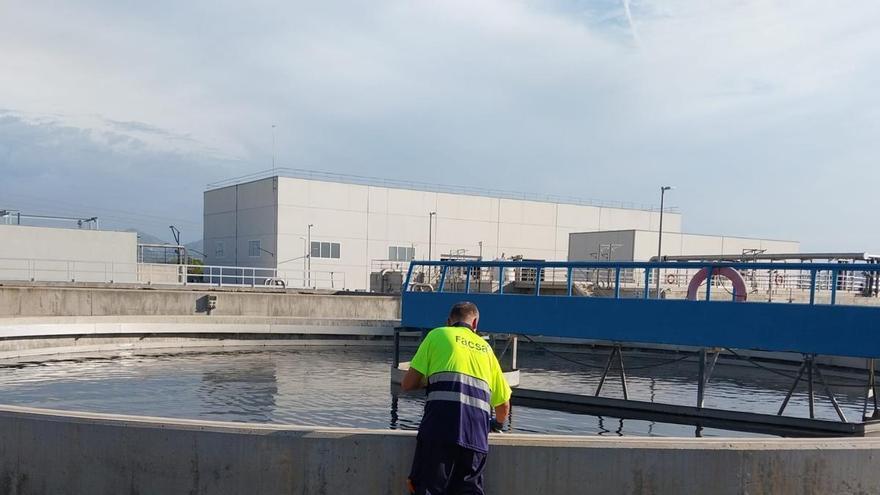
The Bétera and Náquera-Bonanza treatment plants began a new phase in their management, with the aim of modernizing their operation, reducing resource consumption, and using them more efficiently in the treatment process. The Public Entity for Wastewater Treatment of the Valencian Community (EPSAR) awarded the service to the company Facsa, based in Castellón, for a value of 3.8 million euros. This decision represents a reinforcement of Facsa's presence in the Valencia region. The contract aims to implement operational improvements in the two wastewater treatment plants covered by the agreement.
Related articles

Ainda há vindima pela frente, mas as contas já apontam para mais vinho verde
Business

There's still harvesting ahead, but the numbers already point to more green wine

The harvest in the Vinho Verde region is still underway, but initial forecasts are promising. Producers anticipate a production higher than last year, thanks to favorable weather conditions that promoted good grape ripening in the region.

SIC Notícias10/09/26, 14:17
Aumento do gasóleo agrícola encarece produção de milho
Business

Increase in agricultural diesel makes corn production more expensive

The increase in the price of agricultural diesel is significantly making corn production more expensive, putting pressure on national farmers. Despite the land continuing to produce, the costs associated with agricultural work have been increasing steadily, threatening the profitability of farms and the future of the sector.

SIC Notícias10/09/26, 14:08
Business

"No to fraud": Alentejo demands more control over Spanish wine entering Portugal

Around 30 winegrowers from Alentejo protested in Évora against the illegal entry of Spanish wine into Portugal, which is then sold as Portuguese wine, demanding more inspection from authorities. Producers warn that around 100 million liters of illegal wine enter Portugal annually, a value equivalent to the entire Alentejo's production in one harvest, causing the devaluation of the Portuguese wine sector and the abandonment of the activity. Farmers advocate for the implementation of current accounts to track wines, greater control of imported and uncertified wines, and that regional wine commissions have inspection capacity within their areas.

Rádio Campanário10/09/26, 14:08
Business

Three districts concentrate 58.5% of energy supplier changes

Three Portuguese districts — Lisbon, Porto and Setúbal — concentrate 58.5% of all energy supplier changes in the country, a pattern that cannot be explained by financial barriers, since changing suppliers is free, requires no credit approval and does not interrupt supply. The ComparaJá analysis reveals that the concentration reflects rather an inequality in access to information: where there is more advertising, physical stores and conversations on the topic, there are more changes. The monthly difference between the cheapest and most expensive tariff can exceed 58 euros for large families, but this saving remains unclaimed precisely in the areas with the lowest uptake. The Portuguese market proves to be a market of partial decisions, with 74.5% of changes involving only electricity and 94.9% of consumers opting for the simple tariff without exploring optimizations to their own consumption profile.

Jornal Económico10/09/26, 14:00