Two Artemis II Astronauts Who Orbited the Moon Will Stop Flying to SpacePhoto by arndsp on Pexels
Science
Космос

Two Artemis II Astronauts Who Orbited the Moon Will Stop Flying to Space

Now10 September 2026 at 12:12

The astronauts Reid Wiseman and Victor Glover, who participated in the Artemis II mission around the Moon, will stop doing spaceflights starting this month. Both will serve as emeritus astronauts at NASA's Johnson Space Center.

The Artemis II mission was the first crewed mission of the Artemis program, taking the astronauts to an orbit around the Moon. This was a historic mission that marked humanity's return to crewed spaceflights beyond Earth's orbit.

With the departure of these two astronauts, NASA loses two important members of its active astronaut team. The space agency will now count on their new roles as emeritus astronauts to continue contributing their experience.

The decision comes at a time when NASA continues to develop the Artemis program, which aims to take astronauts back to the lunar surface. The details about the new roles that Wiseman and Glover will perform were not specified in the article.

Related articles

Glaucoma: investigadores apresentam nova tecnologia com IA capaz de identificar doentes com maior risco de perda de visão
Science

Glaucoma: researchers present new AI technology capable of identifying patients at higher risk of vision loss

Researchers presented a new artificial intelligence technology that uses a single photograph of the optic nerve to predict glaucoma progression and aggressiveness, enabling the identification of patients at higher risk of vision loss. This tool could enable more intensive treatments and more frequent monitoring for patients considered at higher risk.

Expresso10/09/26, 12:41
Zoo de Chester celebra nascimento de cinco crias de canídeo ameaçado pela produção de soja
Science

Chester Zoo celebrates birth of five cubs of canid threatened by soybean production

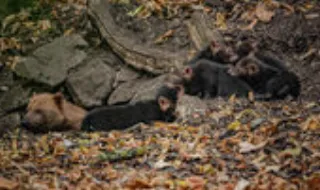
Chester Zoo, in the United Kingdom, celebrated the birth of five cubs of the crab-eating fox, a canid species native to Latin America that, despite having a wide geographical distribution, is often locally rare. The species is mainly threatened by soybean production, which destroys its natural habitat in the region.

Sábado10/09/26, 12:31
Pelagem branca e olhos escuros: leões raros levam centenas de visitantes a Zoo na Guatemala
Science

White coat and dark eyes: rare lions bring hundreds of visitors to Zoo in Guatemala

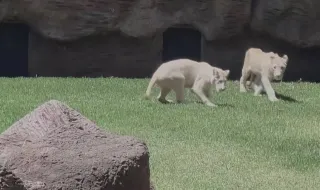
A zoo in Guatemala is attracting hundreds of visitors with two rare white African lions, which suffer from leucism, a genetic condition that causes white coat and dark eyes. The lions, belonging to a species classified as "vulnerable" by the IUCN, are even more special due to this genetic particularity that distinguishes them from common lions. The zoo hopes that the exhibition of these animals will help raise public awareness about the conservation of the species.

SIC Notícias10/09/26, 12:12
Notícias do mundo dos dinossauros (vindas de Portugal!)
Science

News from the dinosaur world (coming from Portugal!)

Portugal is revealed as a true treasure for paleontologists, hiding dinosaur fossils approximately 150 million years old. From the beaches of Sesimbra to the hills of Torres Vedras, the country continues to discover incredible secrets from the dinosaur era, offering valuable clues about prehistoric life.

Expresso10/09/26, 12:00