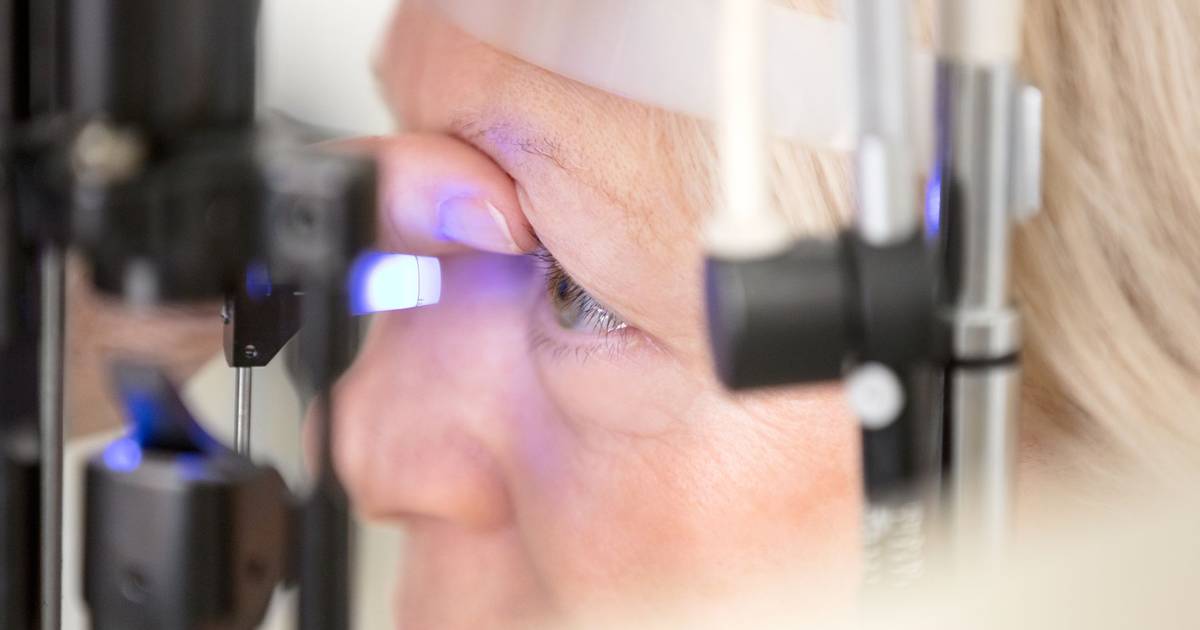
Researchers presented a new technology that uses artificial intelligence to identify glaucoma patients who are at higher risk of disease progression and vision loss. The technology is based on a photograph of the optic nerve taken during a single appointment, allowing the prediction of glaucoma evolution and aggressiveness in each patient.
This innovative approach can transform the way the disease is managed clinically. Through analysis of the optic nerve image, the AI system can identify patterns that indicate a higher probability of vision deterioration.
The main advantage of this technology is related to the possibility of personalizing treatment. Patients identified as being at higher risk can receive more intensive treatments and benefit from more frequent monitoring, while less aggressive cases can be monitored in a less invasive manner.
The development of this tool represents a significant advance in the diagnosis and monitoring of glaucoma, one of the leading causes of avoidable blindness worldwide. The integration of artificial intelligence in clinical practice allows for more efficient management of health resources and better outcomes for patients.