Bromine and iodine emitted by oceans destroy the ozone layerPhoto by Deddy_Sunarto on Pexels
Science

Bromine and iodine emitted by oceans destroy the ozone layer

Observador10 September 2026 at 08:53

Researchers from an international study led by the Blas Cabrera Institute of Chemical Physics discovered that bromine and iodine emitted by oceans contribute to the destruction of the ozone layer. The research demonstrated that these natural halogens participated in the degradation of this protective barrier of the planet.

The study results reveal that, although the ozone layer is frequently associated with the action of chemicals manufactured by humans, such as chlorofluorocarbons, natural elements from oceans also play a significant role in its deterioration.

Bromine and iodine, naturally released by seawater, react with ozone in the stratosphere, causing its decomposition. This process compromises the atmosphere's ability to protect Earth from harmful ultraviolet radiation.

This discovery adds a new perspective to studies on the state of the ozone layer and the factors affecting its integrity, highlighting the complexity of interactions between oceans and Earth's atmosphere.

Related articles

Science

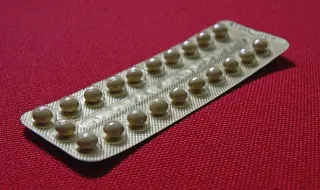
France: contraceptive with desogestrel prompts tumor alert to 1.6 million women

France's medicines regulatory agency (ANSM) issued a safety alert regarding the contraceptive containing desogestrel, aimed at approximately 1.6 million women who use this hormonal method. ANSM advises users to consult a doctor if they present symptoms such as persistent headaches, visual disturbances or memory loss, signs that may be associated with tumor risk. The alert follows a European review that identified potential neurological risks associated with desogestrel, a synthetic progestin widely used in contraceptives.

Euronews Portugal10/09/26, 09:50
Un fármaco diseñado con IA reduce la edad biológica en un modesto ensayo clínico
Science

AI-designed drug reduces biological age in modest clinical trial

A clinical trial with 42 patients with idiopathic pulmonary fibrosis demonstrated that a drug developed with artificial intelligence managed to reduce the patients' biological age. Six independent protein-based biological clocks indicated a younger appearance, with the strongest signal observed after four weeks using an intermediate dose of the drug.

El Periódico Mediterráneo - General10/09/26, 09:30
Science

How many coffees per day is too much? What happens to the body when you overdo it

The article addresses the issue of excessive coffee consumption and its effects on the body. Doctor António Hipólito Aguiar explains where the balance lies in daily caffeine consumption and what the consequences are for the body when you overdo it, warning about the signs that the amount consumed is too much.

CNN Portugal10/09/26, 09:21
O verdadeiro papel do enfermeiro: cuidar é muito mais do que executar
Science

The true role of the nurse: caring is much more than executing

This opinion article, written by Filipe Vieira Franco, specialist nurse and professor, explores the true role of the nurse beyond the execution of technical tasks, arguing that caring involves broader dimensions such as empathy, active listening, and therapeutic relationship with the patient. The author highlights the importance of recognizing nursing as a complex and holistic profession, which goes far beyond technical procedures, alerting to the need for professional appreciation and training that contemplates all dimensions of care.

SAPO Notícias10/09/26, 09:12