Very hot drinks can increase the risk of this deadly disease by up to three timesPhoto by Comanche0 on Pexels
ScienceCoimbra

Very hot drinks can increase the risk of this deadly disease by up to three times

Notícias de Coimbra9 September 2026 at 19:52

Drinking coffee or tea at very high temperatures can increase the risk of developing esophageal cancer by up to three times. This is the main conclusion presented in the article, warning about the dangers associated with consuming excessively hot drinks.

The article states that both coffee and tea are among the drinks frequently consumed at high temperatures. The research mentioned indicates that this practice can have serious long-term health consequences.

Esophageal cancer is described as a deadly disease, and the threefold increase in risk represents a significant danger for regular consumers of these hot drinks.

The article's message aims to raise public awareness about the importance of letting drinks cool down before consuming them, in order to reduce the risk of this serious pathology.


Related articles

Science

Buried Underwear, Stolen Candy and Improbable Science: Switzerland Is the Ig Nobel Capital

Zurich, Switzerland, has become the new home of the Ig Nobel Prize, which celebrates unusual scientific research that "makes us laugh and then think." Among the highlighted stories from this edition are studies involving underwear buried in soil and stolen candy, exemplifying the kind of improbable and humorous science that characterizes the event. The prize continues to recognize discoveries that, although initially comical, often reveal genuine scientific insights.

Público09/09/26, 20:36
Science

The Funchal Broadcasting Station and SESARAM launch the podcast "Conversas com Saúde" (Health Conversations)

The Posto Emissor do Funchal (PEF), in partnership with SESARAM, launched the podcast "Conversas com Saúde" (Health Conversations), dedicated to topics of prevention, well-being, and healthcare. The first episode, titled "September: Time to (RE)Start", featured doctor Ana Teixeira and nurse Luísa Barcelos, who shared recommendations to help children, young people, and families make the transition back to work and school in a more balanced way, recovering healthy habits after the vacation period.

Jornal da Madeira09/09/26, 20:01
Fruta inteira ou triturada? Jovens investigam resposta glicémica na FCNAUP
Science

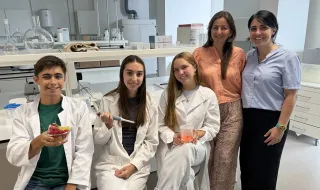
Whole fruit or crushed? Young people investigate glycemic response at FCNAUP

Three young secondary school students — Vitória Figueiredo, from Viseu, Yasmin Dias, from Porto, and Nelson Santos, from Gondomar — participated as researchers at the Faculty of Food Sciences and Nutrition of the University of Porto (FCNAUP), between August 31st and September 5th. During that week, the students, aged 16 and 17, conducted a study on the glycemic response of consuming whole fruit versus crushed fruit, investigating how the form of fruit preparation can influence blood sugar levels.

SAPO Notícias09/09/26, 19:56
Arqueólogos encontram tumba egípcia com mais de 4 mil anos com cores originais preservadas
Science

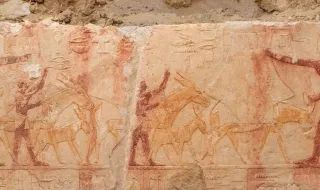
Archaeologists find Egyptian tomb over 4,000 years old with original colors preserved

Archaeologists discovered an Egyptian double tomb over 4,000 years old, belonging to Yunmen and his father Iti, with surprisingly well-preserved original colors. The discovery offers new insights into Old Egyptian society and funerary rituals.

SIC Notícias09/09/26, 19:52