Do you like hot drinks? Consumption can damage the esophagus and increases cancer risk
Science

Do you like hot drinks? Consumption can damage the esophagus and increases cancer risk

Correio da Manhã9 September 2026 at 15:12

The consumption of hot drinks can cause damage to the esophagus and increase the risk of cancer, according to research mentioned in the article. The study analyzed the effects of regular consumption of beverages at high temperatures on human health.

The study was conducted with a sample of 980 thousand participants, which gives the research a significant dimension in terms of data analyzed. This high number of participants allows for a more robust analysis of consumption patterns and their effects on health.

The research suggests that the habit of consuming hot drinks frequently may be associated with lesions in the esophagus, the tube that connects the mouth to the stomach. These lesions can, in the long term, contribute to the development of cancerous cells in this region of the body.

The article warns about the risks associated with consuming very hot drinks, emphasizing the importance of respecting appropriate temperatures to protect the health of the esophagus and reduce the likelihood of developing cancer.


Related articles

Science

Very hot drinks linked to oesophageal cancer, say researchers

A worldwide study, the largest ever conducted on the topic, confirmed the association between the consumption of very hot drinks and the development of oesophageal cancer. Researchers analysed data from multiple countries and concluded that the risk significantly increases when drinks are consumed at high temperatures, reinforcing the need for public health warnings about safe temperatures for drinking liquids.

Euronews Portugal09/09/26, 16:00
Science

What aesthetics doesn't tell you about nail health

The article addresses the health risks for nails associated with beautification techniques such as gel and permanent varnish. Dermatologists Dr. António Massa and Dr. Rita Guedes warn about the negative effects these aesthetic procedures can have on nail health, although many people are unaware of these concerns.

Observador09/09/26, 15:54
Science

Pediatrician reinforces: these are the 5 pieces of advice that were given 30 years ago and make no sense today

Pediatrician João Rio Martins identified five childcare practices that were common 30 or 40 years ago and that no longer make sense today due to new scientific evidence. Among them are: placing the baby to sleep on their stomach (currently the recommendation is on their back), using talcum powder during diaper changes (risk of inhalation), using baby walkers (they do not advance walking and increase the risk of accidents), using rigid footwear (preferring barefoot walking and flexible footwear) and giving water to babies before food introduction (unnecessary and potentially harmful). The doctor highlighted that the evolution of recommendations is due to the emergence of new studies and better understanding of risks and benefits, acknowledging that some current guidelines may also be revised in the future.

Postal do Algarve09/09/26, 15:40
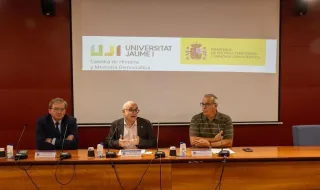
La UJI apuesta por una Cátedra de Historia y Memoria Democrática
Science

UJI commits to a Chair of History and Democratic Memory

Universitat Jaume I presented the Chair of History and Democratic Memory, a structure aimed at promoting research, training, dissemination and knowledge transfer in this field.

El Periódico Mediterráneo - General09/09/26, 15:35