Secondhand smoke affects more than 2 billion people and is responsible for 1.66 million deaths
Science

Secondhand smoke affects more than 2 billion people and is responsible for 1.66 million deaths

Expresso8 September 2026 at 08:10

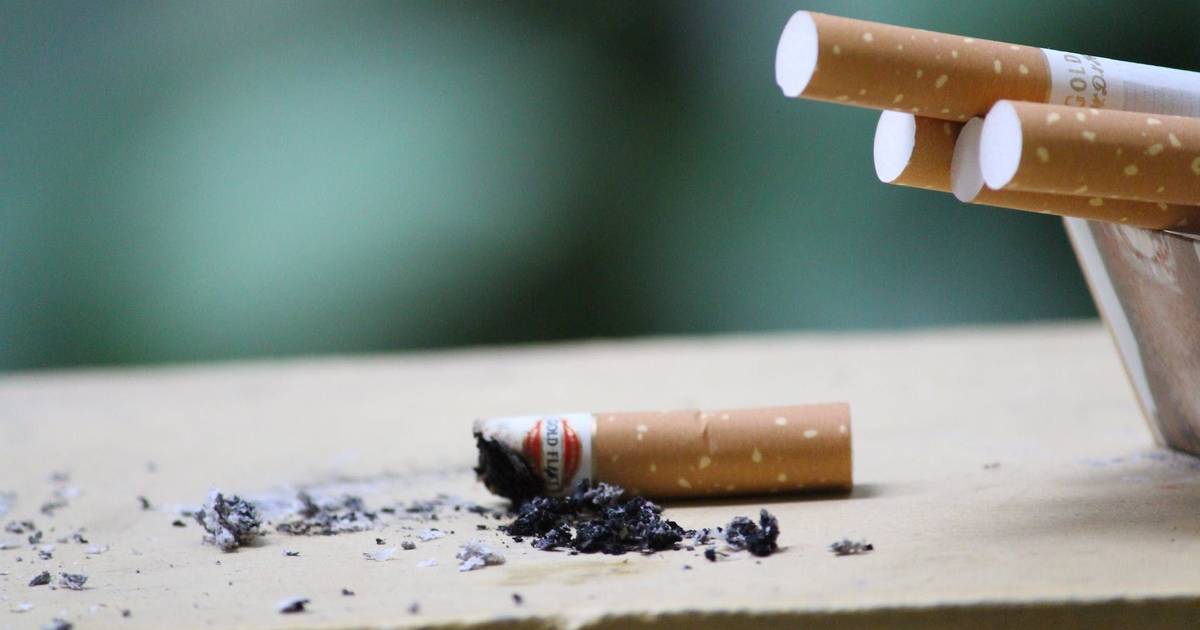
A study published in the journal "The Lancet" revealed that passive smoking affects more than two billion people worldwide. In 2023, exposure to passive smoking was responsible for 1.66 million premature deaths.

In the case of children, exposure to passive smoking caused 5.16 million respiratory infections. This data highlights the particularly severe impact on younger age groups.

The study demonstrates that the problem of passive smoking continues to represent a significant threat to global public health, affecting a vast proportion of the world's population.

Related articles

Especialistas internacionais reúnem-se em Bragança para discutir desafios dos moluscos de água doce
Science

International experts gather in Bragança to discuss freshwater mollusk challenges

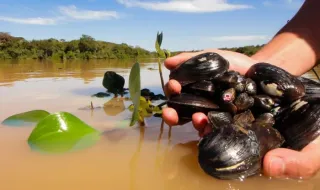
International experts from various countries gather in Bragança, between September 7 and 10, to discuss the main challenges in the conservation of freshwater mollusks, considered one of the most threatened faunal groups worldwide.

Jornal Nordeste08/09/26, 09:30
Science

Brain cleansing may be linked to Alzheimer's and ALS

A study by the University of Barcelona, published in Acta Neuropathologica Communications, identified abnormal accumulations of brain waste (wasteosomes) in the fluid drainage pathways of 185 post-mortem donors diagnosed with Alzheimer's, ALS and frontotemporal lobar degeneration, suggesting a possible deficit in the glymphatic system — the mechanism responsible for eliminating toxic proteins such as beta-amyloid and tau. Although researchers and Portuguese neurologist Miguel Seabra caution that this is an association and not confirmed causality, the research opens the way for new early diagnosis strategies. In Portugal, the University of Coimbra is studying biomarkers in cerebrospinal fluid and blood, while FMUP and Hospital CUF Porto are investigating hematological markers, also using artificial intelligence to model the propagation of protein aggregates.

oRegiões08/09/26, 09:15
Science

Learn how to help your pets adapt after the holidays

With the end of the holidays and the return to work and school, pets also suffer from changes in routine. The article offers practical tips to help pets adapt to this transition period, minimizing the stress and anxiety they may feel when left alone at home for longer periods.

Now08/09/26, 09:01
O salmão de aquacultura está a perder ómega-3
Science

Farming salmon is losing omega-3

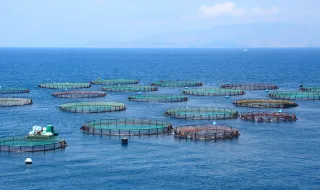
A new study published in Frontiers in Nutrition reveals that farmed Atlantic salmon has significantly lower levels of long-chain omega-3 fatty acids compared to historical nutritional data. EPA concentration decreased by 63.8%, DHA reduced by 47.5%, and DPA fell by 58.5%. Researchers warn that these changes may have implications for both human nutrition and aquaculture production sustainability.

ZAP Notícias08/09/26, 09:00