Home dialysis fails to take off: only reaches 17% of patients, far from the 30% target
ScienceVila Real

Home dialysis fails to take off: only reaches 17% of patients, far from the 30% target

El Periódico Mediterráneo - General7 September 2026 at 16:15

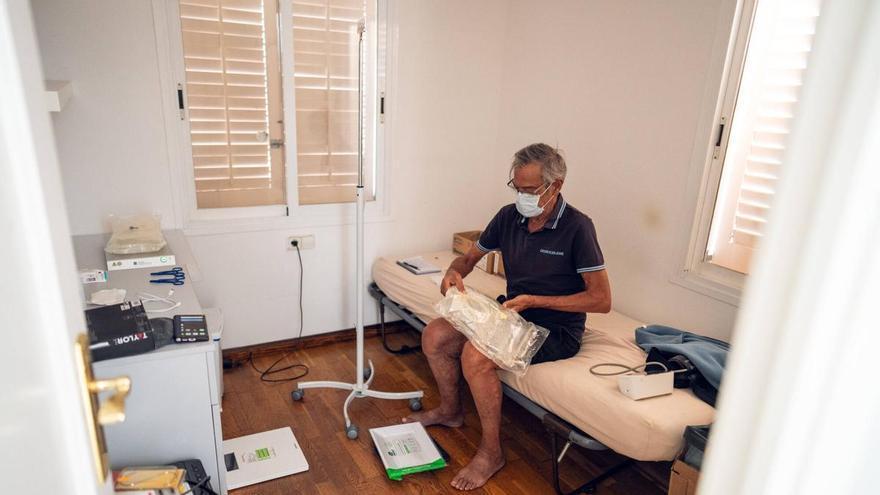
More than 68,400 people in Spain need renal replacement therapy because their kidneys do not function properly and they need a therapy that replaces their function, either through dialysis or transplantation. The majority, about 75%, receive hemodialysis in hospitals and specialized centers, a treatment designed to clean the blood and remove excess fluid.

However, only 17.5% of patients are treated in their own homes, far below the established target of 30%. This situation contrasts with the advantages that home dialysis offers, both for patients and the health system.

Home dialysis is described as a safer and more comfortable option for the patient, in addition to being more sustainable and efficient for the Spanish health system, which faces significant challenges in treating chronic kidney disease.
Related articles

Planta invasora Cortadéria é das mais perigosas e está em mais de 200 municípios
Science

Invasive plant Pampas grass is one of the most dangerous and is found in more than 200 municipalities

The cortadeira (Cortaderia selloana), an invasive plant native to South America, is among the ten invasive species with the widest distribution in Brazil, present in more than 200 municipalities. Considered one of the most dangerous due to its ability to proliferate rapidly and replace native vegetation, the plant represents a significant threat to biodiversity and local ecosystems, requiring control and management measures.

Correio da Manhã07/09/26, 17:34
Science

The invasive plant that is worrying Portugal has also arrived in Coimbra

The cortadeira, also known as pampas grass, an invasive plant considered one of the most dangerous for human health, has already arrived in the Coimbra district, worsening the concern in Portugal. The plant, which spreads rapidly and is difficult to eliminate, represents significant risks for local ecosystems and public health.

Notícias de Coimbra07/09/26, 17:30
Science

Hospital de Aveiro began performing bronchoscopies with sedation

The Pulmonology Department of the Local Health Unit of the Aveiro Region began performing bronchoscopies with regular anesthetic support at the beginning of this month. The department director, João Cravo, states that this collaboration with anesthesiology allows procedures to be made significantly more comfortable, safer, and simpler for patients. Bronchoscopy is an endoscopic examination that allows visualization of the interior of the respiratory airways, helps diagnose chronic coughs, infections, bleeding and tumors, and allows biopsies or washings. The work between the two departments was prepared over the past few months to maintain a more regular collaboration.

NotíciasdeAveiro.pt07/09/26, 17:25
Das compras ao rio, carrinhos de supermercado são nova casa de cavalos-marinhos no Tejo
Science

From shopping carts to the river, supermarket carts are the new home of seahorses in the Tagus

The D-EVOLUÇÃO initiative, promoted by WWF Portugal and partners, is monitoring how abandoned supermarket carts in the Tagus River have become shelters for seahorses. The project aims to monitor the occupation of these improvised habitats, remove submerged waste, and contribute to the ecological recovery of the Tagus Estuary, protecting these marine species.

SIC Notícias07/09/26, 17:21