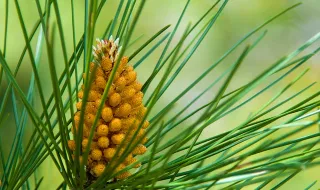
Forest pest detected in Serra de Sintra near AzóiaPhoto by go_see on Pexels
ScienceLisboa

Forest pest detected in Serra de Sintra near Azóia

Correio de Sintra7 September 2026 at 14:33

The Sintra Municipality announced the demarcation of a demarcated zone in Serra de Sintra, near Azóia, after the detection of Fusarium circinatum, a quarantine fungus that constitutes a forest pest and can affect several species of pines and the species Pseudotsuga menziesii. The presence of this fungus can cause damage and mortality in trees.

The demarcated zone is constituted by an infected zone and a buffer zone, being subject to monitoring by the Institute for Nature Conservation and Forests (ICNF) during a minimum period of two years. During this period, the removal of wood material from the covered area is prohibited, except in situations provided for by law and as long as the conditions established for transport and treatment of wood are met.

The owners and forest managers covered by the demarcated zone must comply with the protection measures determined by the authorities, under risk of administrative offense liability. The Sintra Municipality makes the edict and cartography of the demarcated zone available for consultation of the delimitation of the affected area.

For further clarifications, interested parties can contact the Forest Extension and Competitiveness Division of ICNF through phone number 243 306 530 or the email address [email protected].
Related articles

Planta invasora Cortadéria é das mais perigosas e está em mais de 200 municípios
Science

Invasive plant Pampas grass is one of the most dangerous and is found in more than 200 municipalities

The cortadeira (Cortaderia selloana), an invasive plant native to South America, is among the ten invasive species with the widest distribution in Brazil, present in more than 200 municipalities. Considered one of the most dangerous due to its ability to proliferate rapidly and replace native vegetation, the plant represents a significant threat to biodiversity and local ecosystems, requiring control and management measures.

Correio da Manhã07/09/26, 17:34
Science

The invasive plant that is worrying Portugal has also arrived in Coimbra

The cortadeira, also known as pampas grass, an invasive plant considered one of the most dangerous for human health, has already arrived in the Coimbra district, worsening the concern in Portugal. The plant, which spreads rapidly and is difficult to eliminate, represents significant risks for local ecosystems and public health.

Notícias de Coimbra07/09/26, 17:30
Science

Hospital de Aveiro began performing bronchoscopies with sedation

The Pulmonology Department of the Local Health Unit of the Aveiro Region began performing bronchoscopies with regular anesthetic support at the beginning of this month. The department director, João Cravo, states that this collaboration with anesthesiology allows procedures to be made significantly more comfortable, safer, and simpler for patients. Bronchoscopy is an endoscopic examination that allows visualization of the interior of the respiratory airways, helps diagnose chronic coughs, infections, bleeding and tumors, and allows biopsies or washings. The work between the two departments was prepared over the past few months to maintain a more regular collaboration.

NotíciasdeAveiro.pt07/09/26, 17:25
Das compras ao rio, carrinhos de supermercado são nova casa de cavalos-marinhos no Tejo
Science

From shopping carts to the river, supermarket carts are the new home of seahorses in the Tagus

The D-EVOLUÇÃO initiative, promoted by WWF Portugal and partners, is monitoring how abandoned supermarket carts in the Tagus River have become shelters for seahorses. The project aims to monitor the occupation of these improvised habitats, remove submerged waste, and contribute to the ecological recovery of the Tagus Estuary, protecting these marine species.

SIC Notícias07/09/26, 17:21