The accelerated transformation of Madeiran society in recent years has placed the archipelago at the center of an intense debate about identity, demographic pressure and democratic quality. The combined impact of real estate pressure, immigration, the return of the diaspora and tourist massification paints a complex portrait of contemporary Madeira. Many point out that one no longer hears Madeiran being spoken in many public spaces.
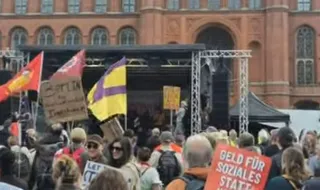
The pressure from Housing Tourism and Local Accommodation has not only displaced local families to the peripheries but has also altered traditional community dynamics. For many residents, the feeling of "estrangement in one's own land" arises from the perception that public space has come to be shaped for visitors or foreign residents rather than for community living.
Madeiran society faces a structural recomposition driven by three strands: mass tourism and digital nomads, which have raised the cost of living to levels incompatible with local average incomes; diaspora returnees from Venezuela and South Africa, who injected capital but altered social dynamics; and labor immigration from Latin America and Asia, essential for sectors such as construction and hospitality, but which faces disparate reception conditions.
The rapid demographic transition is also reflected in local political culture, with an increased risk of impoverishment of public debate. When public policies prioritize the attraction of external capital at the expense of retaining qualified youth and supporting local families, a generalized sense of disenchantment is generated that weakens democratic participation and the demand for accountability from those in power.