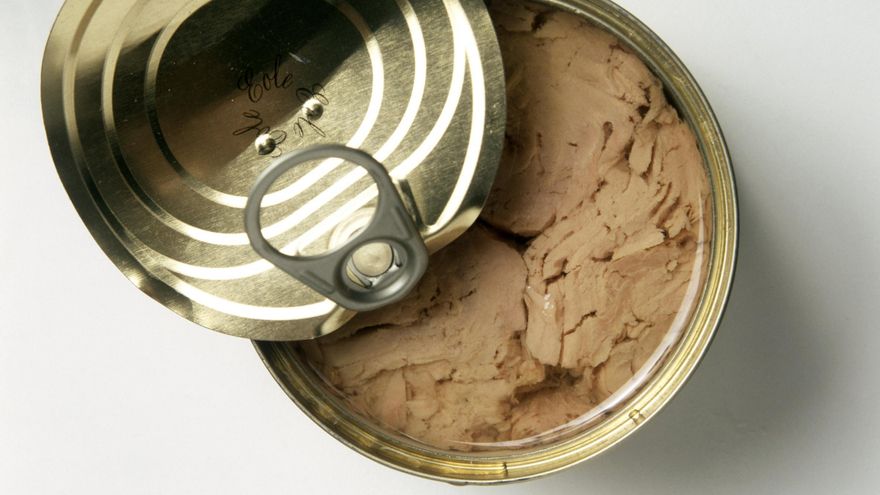
The fish you shouldn't eat if you want to avoid mercury: these 4 species are in the spotlight
ScienceVila Real

The fish you shouldn't eat if you want to avoid mercury: these 4 species are in the spotlight

El Periódico Mediterráneo - General4 September 2026 at 09:02

Nutrition specialists recommend consuming three or four portions of fish per week, due to the essential nutritional properties that this food provides to the body. Among these benefits, the supply of healthy fats, such as omega-3, which is fundamental for the functioning of the brain and retina, stands out.

However, fish consumption also presents risks associated with the mercury content present in some species. According to the article, four fish species are under scrutiny for presenting high levels of this heavy metal, representing a concern for the health of consumers who wish to avoid mercury exposure.

The issue of mercury in fish is particularly relevant because this metal can accumulate in fish tissues, especially in larger predatory species. Consumers who follow health recommendations should be aware of which species to avoid or limit in their regular consumption.

Related articles

Science

Porto Urban Greening Biennial'26: 'Cultivating Communities' at Serralves

The Faculty of Sciences of the University of Porto, in partnership with the BIOPOLIS Association, the Municipality of Porto, the Portuguese Association of Landscape Architects and the Serralves Foundation, promotes the second edition of the Porto Urban Greening Biennial, between October 29 and 30, at the Serralves Foundation. With the theme "Cultivating Communities", the event aims to debate cities as living ecosystems shaped by communities, with soil as the central element — described as the "living base" that absorbs water, regulates temperature, stores carbon and sustains biodiversity. More than 20 international speakers from countries such as France, Sweden, Italy and India will participate, alongside citizen projects for green transformation. The program includes lectures, round tables, workshops, book launches, cinema and visits to the Serralves Park, bringing together researchers, public decision-makers, technicians and citizens.

Notícias Portugal04/09/26, 10:32
Science

17th Lusophone Open Science Conference Explores the Future of Artificial Intelligence

The 17th Lusophone Open Science Conference (ConfOA2026) will take place from October 6 to 9 at the University of Algarve, in Portugal, with the central theme "Open Science in the Age of Artificial Intelligence". The event aims to bring together academics, researchers, and science professionals to discuss the challenges and opportunities of integrating artificial intelligence into research practices and knowledge dissemination. The program includes practical and theoretical workshops, with registrations already open, offering participants essential tools for advancing open science. Participation is free and open to all interested parties.

Notícias Portugal04/09/26, 10:31
Science

Plug-in hybrids emit up to five times more CO2 on the road than in tests

A study by the environmental NGO ICCT revealed that real-world CO2 emissions from plug-in hybrid vehicles were 4.6 times higher than official values in 2023. The organization explains that these cars are charged less often and driven less in electric mode than predicted by the European Union, which contributes to the discrepancy between laboratory data and real-world performance on the road.

SOL04/09/26, 10:18
Science

Capitalists who steal candy and the definition of a kiss: winners of the 2026 Ig Nobel Prize

The 2026 Ig Nobel prizes distinguished curious, fun, and thought-provoking research, with studies on capitalists who steal candy and the definition of a kiss among the winners. The annual ceremony took place in Europe, with "fungi" as the central theme of this 36th edition of the awards that celebrate unconventional science.

Euronews Portugal04/09/26, 10:15