Porto Urban Greening Biennial'26: 'Cultivating Communities' at SerralvesPhoto by joao Guerreiro on Pexels
Science
Образование
Porto

Porto Urban Greening Biennial'26: 'Cultivating Communities' at Serralves

Notícias Portugal4 September 2026 at 10:32

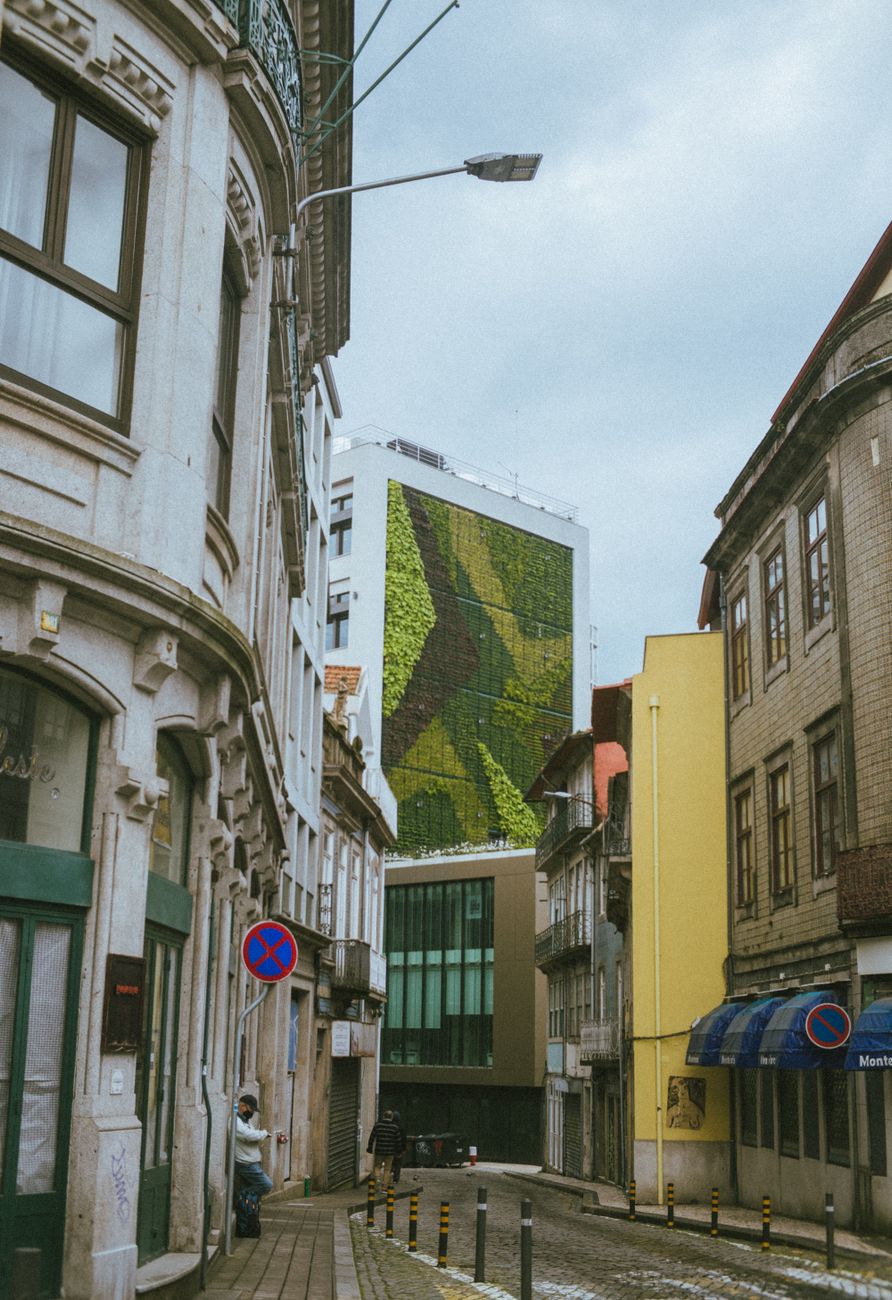
The Faculty of Sciences of the University of Porto (FCUP), in partnership with the BIOPOLIS Association, the Municipality of Porto, the Portuguese Association of Landscape Architects and the Serralves Foundation, is promoting the second edition of the Porto Urban Greening Biennial conference. The event will take place on October 29 and 30 at the Serralves Foundation, with the theme "Cultivating Communities" and seeking to address cities as living ecosystems shaped by communities.

According to FCUP professors and organizing committee members, Cláudia Fernandes and Isabel Silva, spaces such as parks, gardens and tree-lined squares are places where life happens, gaining greater importance when communities take ownership of them. Soil will be one of the central themes of the conference, described as the "living base" that sustains the relationship between communities and green spaces, contributing to rainwater absorption, temperature regulation, carbon storage and support for biodiversity.

The event will bring together a diverse audience, including researchers, public decision-makers, technicians, businesses, students and citizens, to debate challenges related to urban green infrastructure, living soil regeneration and community participation. The program will include lectures, round tables, book launches, cinema, workshops for different age groups and visits to the Serralves Park.

More than 20 renowned international speakers, from countries such as France, Sweden, Italy, England, the Netherlands, Spain and India, will participate in the event, which aims to reaffirm Porto as an international platform for discussion on the future of cities. Registrations for the Porto Urban Greening Biennial'26 are now open.


Related articles

Science

6 in 10 women in Portugal are affected by sexual problems

A study reveals that six in ten women in Portugal suffer from sexual problems, covering issues such as sexual dysfunction, lack of desire, and pain during intercourse. The article highlights that topics related to women's health, including sexual habits, contraception, menopause, and fertility, continue to be little addressed and discussed by the general population, which contributes to the persistence of these problems without diagnosis or adequate treatment.

Notícias de Coimbra04/09/26, 11:32
Science

MOONS opens a thousand eyes on the Universe with an important Portuguese contribution

The MOONS project, a multi-object spectrograph for astronomy, will observe the sky with a thousand "eyes" at a time over the coming years, allowing us to pierce through cosmic dust and travel back in time to study the history of stars, galaxies, and the Universe itself. The project features an important Portuguese contribution, which is helping to drive this cosmic mapping initiative.

SAPO Tek04/09/26, 11:25
Science

Study reveals that one in six adults in the EU was obese in 2025

A study revealed that one in six adults in the European Union was obese in 2025. Across the 27 member states, men show a higher incidence of obesity than women, highlighting a gender disparity in the public health issue affecting the European region.

CNN Portugal04/09/26, 11:22
Maria João Afonso, uma das maiores especialistas portuguesas em inteligência e personalidade, no podcast 45 Graus: veja aqui a conversa
Science

Maria João Afonso, one of the greatest Portuguese experts in intelligence and personality, on the 45 Graus podcast: see the conversation here

In the episode of the 45 Graus podcast, José Maria Pimentel interviews Maria João Afonso, a retired professor of Psychology at the University of Lisbon, considered one of Portugal's leading experts in intelligence, personality, differential psychology and psychometrics. The conversation addresses fundamental questions about what intelligence is, what differentiates it from the concept of IQ, and the usefulness or uselessness of IQ tests.

Expresso04/09/26, 11:20