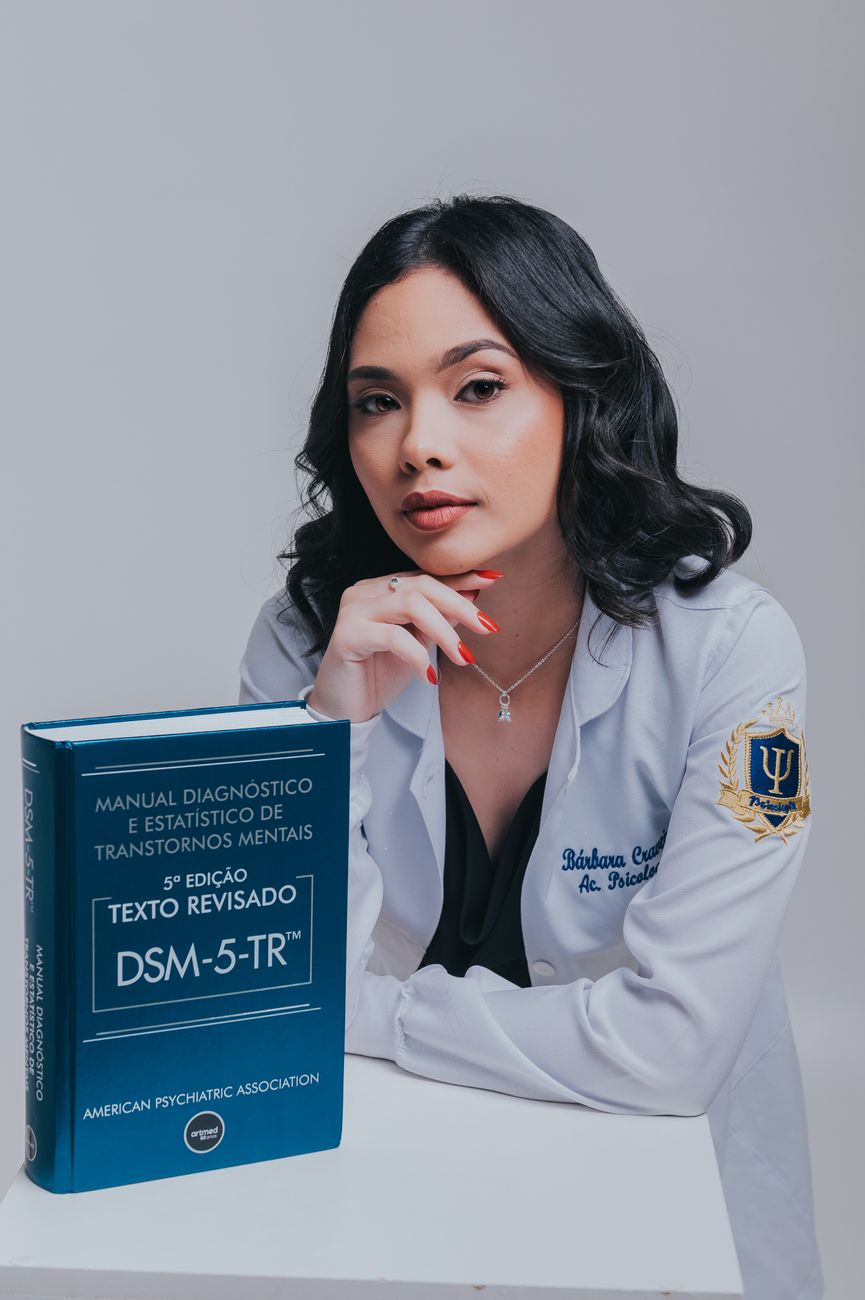
Psychology is present in various areas such as education, justice, business, sports, security forces, and child protection, among others. In any of these contexts, technical competence is indispensable, and when someone performs duties specific to Psychology without adequate training, serious consequences can arise. An incorrect assessment can delay a diagnosis or lead to inadequate interventions, and the use of methods without scientific evidence can create false expectations, prolong suffering, and undermine trust in the care provided. The harm is not always immediately visible, often manifesting as lost time, worsening of suffering, and loss of trust in professionals.
The article, signed by Miguel Coutinho, president of the Southern Regional Delegation of the Order of Portuguese Psychologists (OPP), and Ana Filipa Silva, psychologist and board member of the Southern Regional Directorate of the OPP, warns that consulting a psychologist registered with the Order means being assisted by a professional with higher education in Psychology, supervised internship and practice, mandatory registration and a valid professional license, and is also bound by a Deontological Code that protects the citizen. A non-psychologist can listen, advise, or share opinions, but does not have specific training, does not carry out supervised practice in the field, nor is subject to the deontological and legal norms that regulate psychological activity in Portugal.
The authors recommend that, before starting psychological support, citizens confirm whether the professional is registered with the OPP, holds a valid professional license, clearly identifies their area of practice, explains the objectives and methods of the intervention, requests informed consent, and uses methods supported by scientific evidence. These simple checks constitute an important protection mechanism. The Order combats the usurpation of the professional title not only to defend a profession, but to protect people and ensure that whoever entrusts their mental health, or that of their family members, to a professional can be certain that this professional has the necessary preparation and complies with the Deontological Code.
The Deontological Code of the OPP, which celebrates 15 years of existence, defines the identity of the profession and allows the population to identify what psychologists can or cannot do, assuming the public commitment of Psychology to human dignity and the protection of people. The authors conclude that mental health deserves the same rigor as any other area of health, for listening is not enough, advising is not enough, and goodwill is not enough—scientific knowledge, ethics, responsibility, and adequate training are needed to distinguish a true psychologist.