
New Zealand approves use of MDMA to treat post-traumatic stress disorderPhoto by 天玑 不器 on Pexels
Science
США
Медицина
Coimbra

New Zealand approves use of MDMA to treat post-traumatic stress disorder

oglobo4 September 2026 at 03:26

Two psychiatrists in New Zealand received authorization on this Friday to prescribe pharmaceutical-grade MDMA for people suffering from severe post-traumatic stress disorder. The decision was made by Medsafe, the country's pharmaceutical regulatory agency, making New Zealand the second country in the world to approve the use of this substance to treat PTSD, after Australia, which did the same in 2023.

The decision was announced by Deputy Prime Minister David Seymour, who last year also supported the approval of hallucinogenic mushrooms to treat people with severe depression. Seymour stated that PTSD ruins lives and is difficult to treat, and that MDMA can be very effective in treating the condition through substance-assisted therapy.

Seymour also declared that New Zealand is committed to expanding access to innovative treatments. The article mentions that MDMA is more potent than ecstasy, without providing more details about that comparison.

Related articles

Science

Lito Souza: what are palliative care, the treatment the influencer will receive at home from now on

Influencer Lito Souza, 59 years old, was discharged from Hospital Israelita Albert Einstein after three weeks of hospitalization and will continue treatment for Creutzfeldt-Jakob disease at home, with palliative care focused on patient comfort. The family needed to adapt the residence, removing doors and making adjustments to hallways to ensure accessibility, as the house did not have adequate resources for the new routine. His wife Mila Seidl confirmed that the specialized treatment will continue in a home environment.

oglobo04/09/26, 04:00
Science

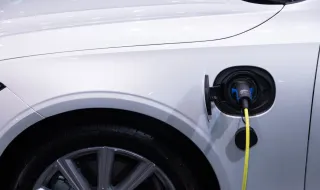
Plug-in hybrid cars are more polluting than expected according to study

A study by the International Council on Clean Transportation (ICCT) revealed that plug-in hybrid vehicles (PHEVs) registered between 2021 and 2023 show a significant and growing discrepancy between real CO2 emissions and measurements obtained during type-approval tests, being considerably more polluting than initially estimated.

Now04/09/26, 01:53
Carros híbridos plug-in são mais poluentes do que o esperado segundo estudo
Science

Plug-in hybrid cars are more polluting than expected according to study

Plug-in hybrid cars emit up to five times more CO2 in real driving conditions than calculated by the European Union, a study revealed. The difference between real and official values raises questions about the reliability of the emissions tests used to classify these vehicles as greener.

SAPO Notícias04/09/26, 00:46
Science

The Water We Don't See

This article analyses the importance of groundwater and aquifers in Portugal as a strategic reserve in the face of drought periods and climate variability. It explains that aquifers function as natural capital, storing and releasing water over time, but that excessive extraction can cause piezometric levels to decline and saltwater intrusion in coastal areas. The article warns of tensions already visible in the Algarve, in Grândola and in Almada, where water availability limits tourism and urban development. It argues that aquifer management must balance present use with the preservation of future options, considering opportunity costs and externalities that the price of water does not reflect. In a context of climate uncertainty, keeping water in the aquifer represents security value and adaptive capacity.

Jornal Económico04/09/26, 00:15