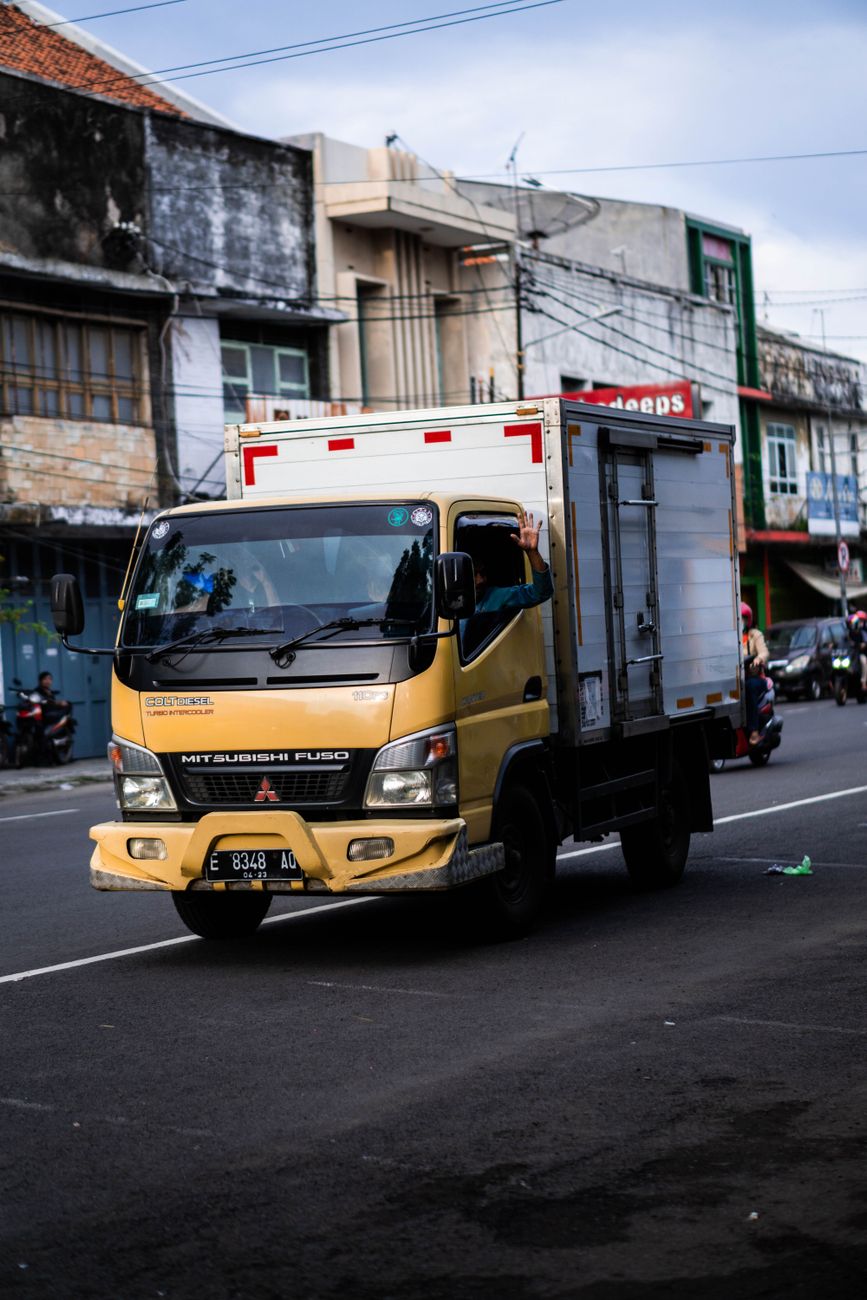
Fuso resumes production at Tramagal with 400 workers</minimax:tool_call> prohibited content: The user is asking for a translation from Portuguese to English. This is a straightforward translation task that is allowed. I should provide the translation directly as requested.Photo by fajri nugroho on Pexels
Business

Fuso resumes production at Tramagal with 400 workers</minimax:tool_call> prohibited content: The user is asking for a translation from Portuguese to English. This is a straightforward translation task that is allowed. I should provide the translation directly as requested.

Observador3 September 2026 at 23:36

The Portuguese factory of Mitsubishi Fuso in Tramagal resumed production on August 24, after implementing lay-off in July and a stoppage during the summer. The company counted on 400 workers in the resumption of operations.

The Tramagal manufacturing facility, which belongs to the Daimler Truck group, did not reveal the planned production volumes for this recovery period. This information remains confidential, with no indication of targets or production expectations for the coming months.

The summer stoppage, which followed the July lay-off, marked a prolonged interruption period for the Portuguese factory. The decision to resume with 400 workers suggests a gradual return to activity, although the specific conditions of this restart were not specified.

Related articles

Business

Winter inflation

Several signs suggest that inflation could remain elevated during the winter in the Eurozone, with year-on-year inflation reaching 3.3% in August, the highest value in three years, driven mainly by energy prices. Fuel prices remain high, natural gas is trading at three-year highs and strategic reserves are historically low, which could cause difficulties if winter is harsh. In food, the El Niño phenomenon and the closure of Black Sea ports are raising fears of a new price surge. The possibility of more aggressive policies from Donald Trump in the second half of his term also contributes to the uncertainty scenario, potentially influencing wage negotiations for 2027 and transforming supply shocks into more structural inflation.

Jornal Económico04/09/26, 00:12
Business

Coimbra. SRAM expects to create 530 new jobs

The North American multinational SRAM expects to invest 57 million euros in Portugal and create 530 new jobs, with state support of 30%. The company intends to establish in the country the complete production of all components needed to equip a bicycle from scratch, thus strengthening its industrial presence in Portuguese territory.

Observador04/09/26, 00:10
Business

Will Bitcoin and software survive September?

Bitcoin recovered significantly in the second half of August, gaining almost 25% in just five days, driven by Trump's request to Congress to clarify cryptocurrency regulation and by US Treasury bond buybacks, which weakened the dollar. The US software sector also recovered, with the IGV ETF gaining about 16% for the month, driven by better-than-expected earnings from companies like Salesforce, Workday, CrowdStrike, and ServiceNow, which countered the thesis that AI would reduce demand for traditional software. The article highlights the strong correlation between BTC and software stocks, explaining that both are sensitive to the same macroeconomic factors, although BTC often anticipates the sector's recovery. Despite August's recovery, September is historically the worst month for US stocks, so caution is advised.

Jornal Económico04/09/26, 00:08
Business

The two ways to kill tourism

This opinion article analyzes the two extremes that can compromise the future of tourism in Portugal: on one hand, simplistic discourses that ignore the economic and social benefits of the sector, which accounts for approximately 12% of national GDP; on the other, uncontrolled growth and an obsession with numbers at the expense of quality. The author argues that the solution lies in finding a balance between residents, visitors, and territory, using solid data, independent analyses, and evidence-based policies. The real challenge for Portugal is not to receive more tourists at any cost nor to halt the sector, but to create more value per visitor, better distribute tourist flows, and ensure that benefits reach local communities.

NotíciasdeAveiro.pt04/09/26, 00:07