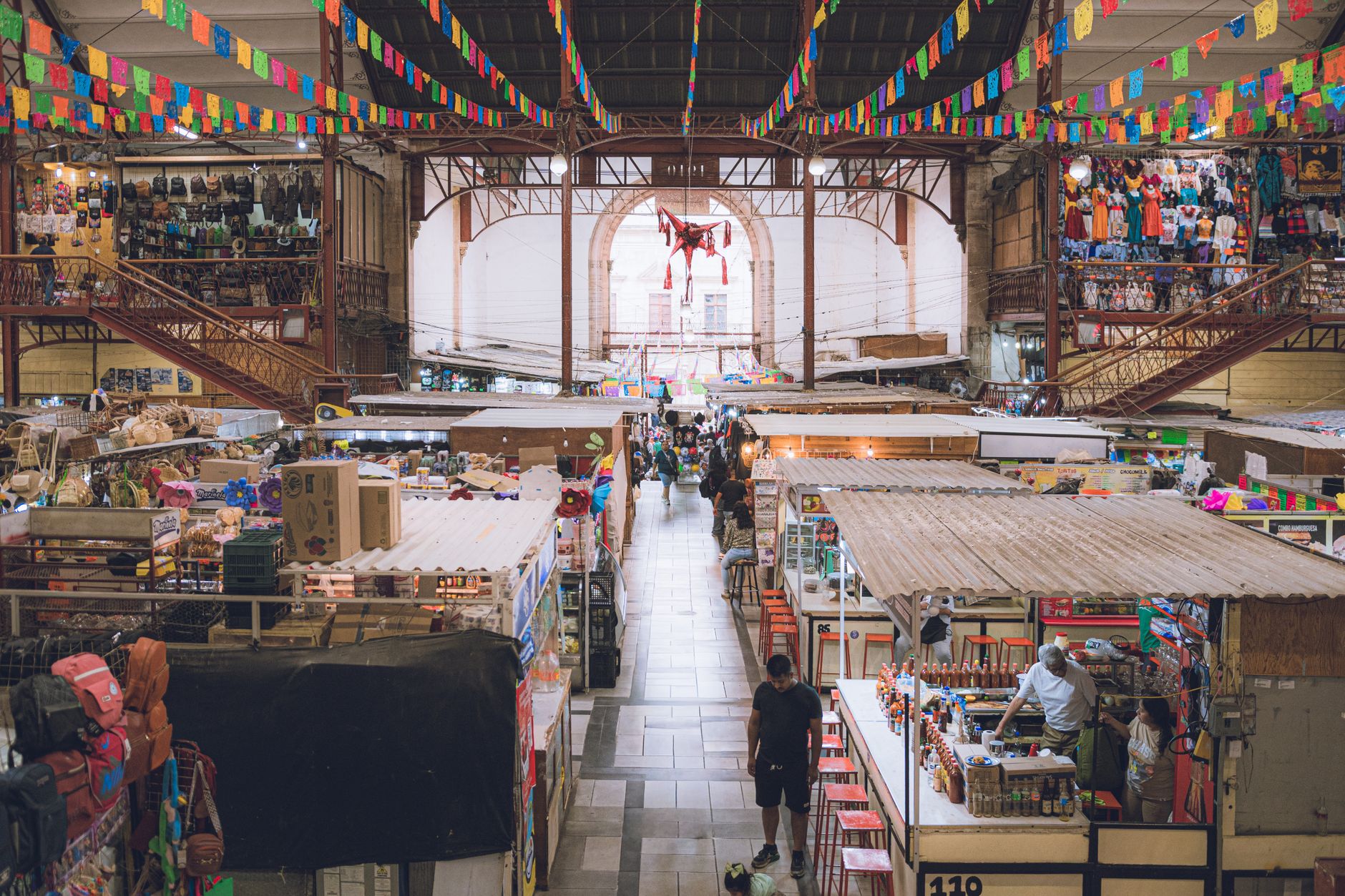
This nearly 55-year-old market will reopen on this date "more modern and functional" after several weeks closedPhoto by Armando Belsoj on Pexels
BusinessFaro

This nearly 55-year-old market will reopen on this date "more modern and functional" after several weeks closed

Postal do Algarve3 September 2026 at 15:20

Benfica Market will reopen on Friday, September 4, after more than a month closed for a requalification intervention. The space, which has been linked to the life of the parish for almost 55 years, was the subject of works aimed at renewing the structure and various infrastructures used daily by traders. The Benfica Parish Junta announced the market's return "more modern, more functional and prepared for the future".

The intervention included the rehabilitation of the building structure and the renovation of electrical and water infrastructure. Cold rooms and refrigeration systems were also modernized, equipment particularly associated with the operation of food product stalls. The market closed its doors on August 2, remaining inactive for more than a month to allow the execution of the requalification work.

Benfica Market was the last market to be inaugurated before April 25, at a time when supermarkets were beginning to gain ground among Lisbon residents' shopping options. Despite competition from new commercial surfaces, the market maintained its operation throughout the decades and reached today integrated into the commercial dynamics of the parish.

Currently, the space is considered one of the largest and most traditional markets in Lisbon, occupying an area of 2,800 square meters with 200 selling spaces. The offer is divided between an area dedicated to food, with stalls for fruit, vegetables, fish and butcher shops, and another for non-food products, such as clothing, footwear, plants, decoration, costume jewelry and bags.

Related articles

Business

European Union without immediate risk of gas supply despite low reserves

The European Commission announced that, although EU gas storage levels are below those recorded in previous years, there is no immediate risk to energy supply security. The Gas Coordination Group's assessment indicates that the EU is more prepared than in 2021 and 2022, thanks to the diversification of supply sources, increased LNG import capacity and reduced demand. However, instability in the Middle East keeps Qatar's LNG production suspended, and heat waves in Europe increased gas demand for electricity production, causing price volatility. Portugal stands out with 93.08% of reserves full, one of the highest rates in the EU. A new group meeting is scheduled for September 24.

Jornal Económico04/09/26, 00:26
Business

Winter inflation

Several signs suggest that inflation could remain elevated during the winter in the Eurozone, with year-on-year inflation reaching 3.3% in August, the highest value in three years, driven mainly by energy prices. Fuel prices remain high, natural gas is trading at three-year highs and strategic reserves are historically low, which could cause difficulties if winter is harsh. In food, the El Niño phenomenon and the closure of Black Sea ports are raising fears of a new price surge. The possibility of more aggressive policies from Donald Trump in the second half of his term also contributes to the uncertainty scenario, potentially influencing wage negotiations for 2027 and transforming supply shocks into more structural inflation.

Jornal Económico04/09/26, 00:12
Conselho de Supervisão da Volkswagen aprova plano que prevê despedir 50 mil trabalhadores
Business

Volkswagen Supervisory Board approves plan that foresees laying off 50,000 workers

Volkswagen's Supervisory Board approved a plan that foresees laying off 50,000 workers, in addition to the 50,000 already announced previously, making a total of approximately 100,000 jobs to be eliminated in Germany by 2030, representing about 15% of the total workforce of the automotive group.

Expresso04/09/26, 00:12
Business

Together before the "yes": what has already changed between Mercosur and Europe

The trade agreement between Mercosur and the European Union has been provisionally in force since May 1, functioning as a "de facto union" that already produces real effects, although the full Partnership Agreement still awaits an opinion from the EU Court of Justice, expected by the end of 2027. In the first two months, Brazilian exports to Europe grew by 10 billion reais, an increase of 26% compared to the previous year, driven by products such as mango, coffee and honey. States such as Ceará and Goiás are already feeling significant impacts, with Goiás projecting the creation of 24,200 jobs. While the court has not yet ruled, issues such as safeguard mechanisms for French farmers and the sustainability chapter remain open, leaving companies operating with reduced tariffs but without the definitive political framework of the agreement.

Jornal Económico04/09/26, 00:10