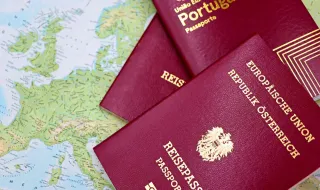
The Mercosur-European Union Agreement entered into provisional force on May 1, functioning in a kind of "de facto union" that produces real effects for companies, but still without the formal approval of the Court of Justice of the European Union. Negotiations were concluded in 2024, the Council approved the signing on January 9, 2026 and the text was signed in Asunción on January 17. However, four days later, the European Parliament, pressured by France, Poland and Austria, asked the court for an opinion on the compatibility of the agreement with the Treaties, blocking the broader Partnership Agreement. Only the commercial part, called the Interim Agreement, entered into force alone.
In the first two months of force, Brazilian exports to the European Union grew by 10 billion reais, an increase of 26% compared to the same period last year, driven by mango, coffee, honey, machines and engines. This movement intensified after Washington confirmed an additional 25% tariff on Brazilian products, pushing Brazil towards the door opening on the European side.
The economic effects are already being felt in states such as Ceará, where sales to Europe rose 72% in the twelve-month cumulative, with emphasis on ornamental stones that Italy buys avidly. In Goiás, the European Union already absorbs 12.5% of the state's exports, and the local industry federation estimates an additional gain of 218 million dollars and the creation of 24,200 jobs, especially in agro-industry, mining, metallurgy and leather.
While the Court has not ruled, which may take until the end of 2027, entire parts of the agreement remain open, including the safeguard mechanisms that France demands for its farmers and the sustainability chapter. Those who export or invest already benefit from lower tariffs and issued certificates of origin, but still do not know what definitive political framework all this will rest on.